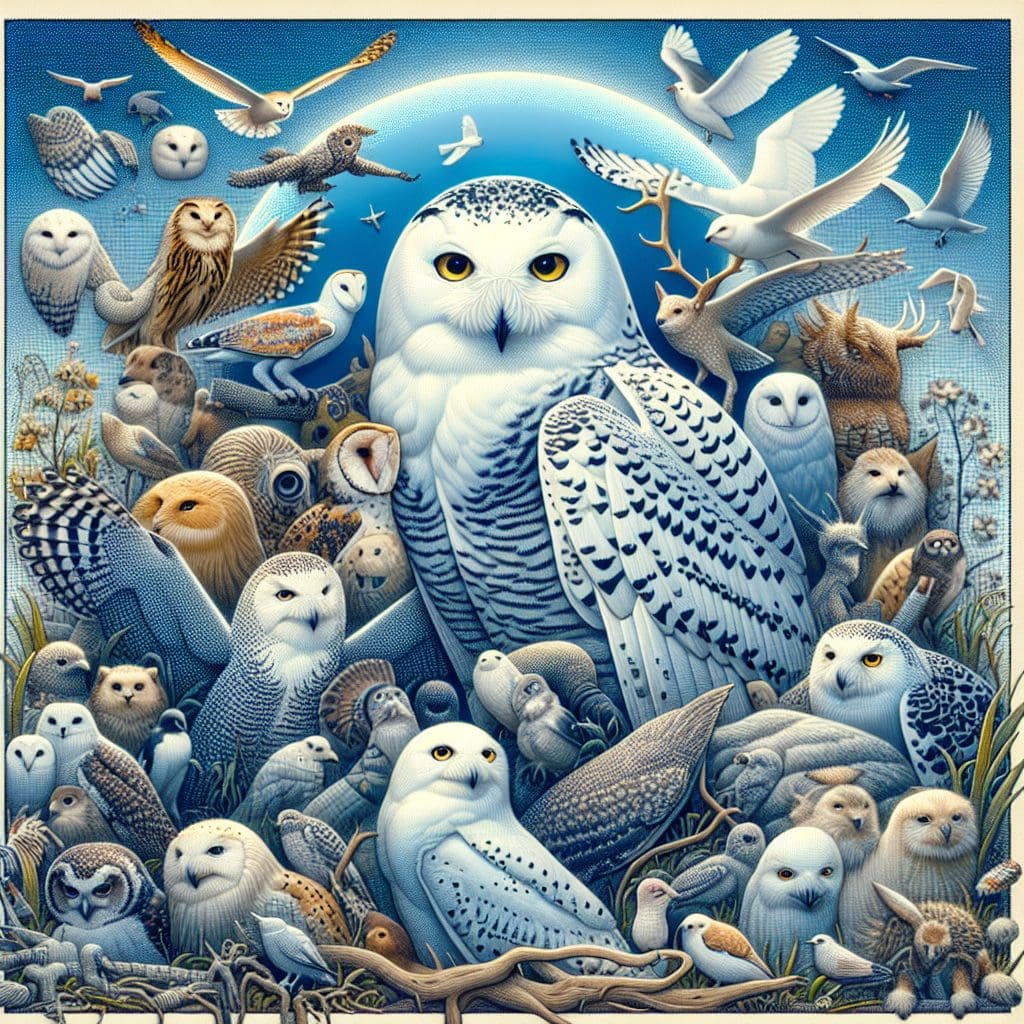

The United Nations recently announced an important initiative to enhance the protection of 40 species, including the majestic snowy owl, highlighting the ongoing efforts to conserve biodiversity on our planet. This initiative is in response to the alarming rate of species decline caused by habitat loss, climate change, and human activities such as poaching and illegal wildlife trade.
The snowy owl (Bubo scandiacus) is one of the most iconic birds in the Arctic, known for its striking white plumage and piercing yellow eyes. This species thrives in remote tundra regions and is famous for its role in ecosystem balance, preying on small mammals like lemmings. However, the snowy owl faces numerous threats, particularly due to climate change, which is altering its habitat and food sources. The increased melting of Arctic ice, warmer temperatures, and shifts in prey availability have led to declining populations. By including this species in the UN list, there is hope for targeted conservation efforts to preserve its natural habitat and ensure its survival for generations to come.
The inclusion of additional species underscores the UN’s commitment to addressing global biodiversity loss. The list contains a mixture of mammals, birds, reptiles, and plants, all of which play vital roles in their respective ecosystems. Among them are the iconic African elephant, the critically endangered Amur leopard, and various unique plant species that contribute to the world’s ecological balance. The diversity of species on the list reflects the interconnectedness of life on Earth, where the survival of one species can directly impact others.
Enhanced protection measures will involve a combination of legal safeguards, habitat restoration projects, and international cooperation. These measures aim not only to prevent extinction but also to rehabilitate ecosystems that have been affected by human activity. By raising awareness and mobilizing resources, the UN initiative encourages countries to participate in global conservation efforts, fostering a sense of responsibility towards protecting our natural heritage.
The call for urgent action resonates with the global community, emphasizing the importance of sustainable practices and conservation strategies. Advancements in technology and science, alongside traditional ecological knowledge, can offer innovative solutions to mitigate the challenges faced by these species.
In summary, the inclusion of 40 species on the UN’s enhanced protection list, especially the snowy owl, represents a critical step towards combating biodiversity loss. This initiative is a collective call to action, urging governments, conservation organizations, and individuals to work together to safeguard our planet’s irreplaceable wildlife and the ecosystems they inhabit.
For more details and the full reference, visit the source link below: