
In the fast-paced world of the restaurant industry, efficiency is paramount. Digital systems have revolutionized how restaurants operate, streamlining workflows and enhancing customer experiences. Here are six ways restaurants use these systems to improve their overall efficiency.
1. Point of Sale (POS) Systems
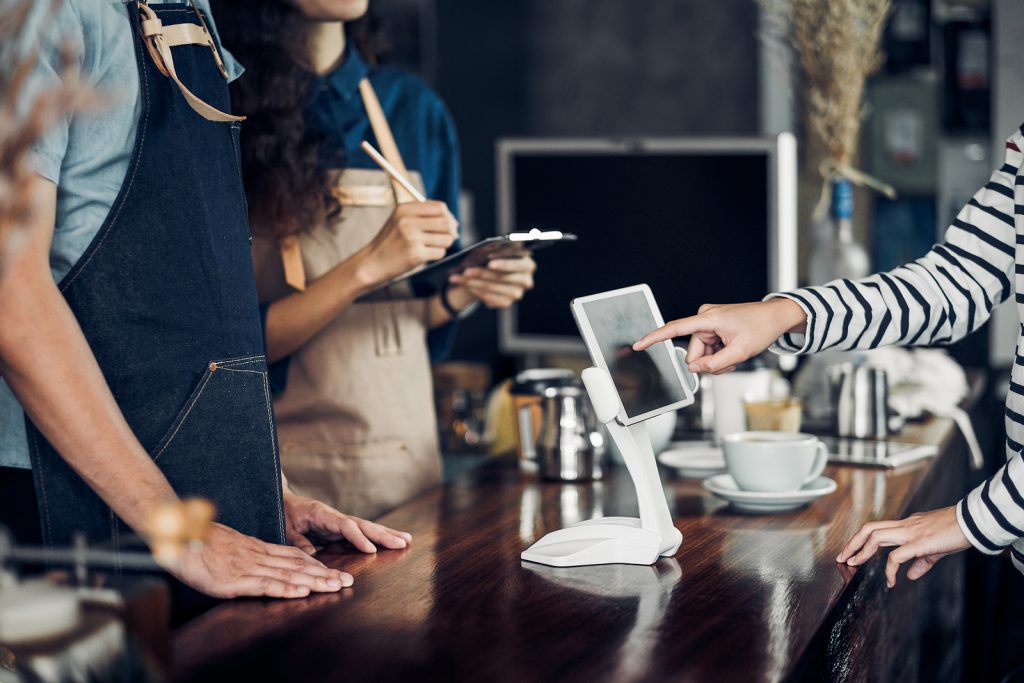
Modern POS systems are at the heart of restaurant operations. They not only handle transactions but also track sales data, automate inventory management, and streamline customer orders. With features like table management and real-time reporting, staff can quickly respond to customer needs, minimizing wait times and maximizing table turnover.
2. Online Ordering and Reservations
With the rise of digital dining solutions, restaurants can now offer online ordering and reservation systems. This allows customers to place orders or book tables in advance, reducing in-house traffic and ensuring a smoother flow of guests. Digital reservations help manage table assignments and predict busy periods, empowering staff to prepare accordingly and minimize service delays.
3. Inventory Management Software
Effective inventory management is crucial for reducing waste and controlling costs. Digital inventory management systems automate stock tracking, notifying managers when items are running low. This not only saves time but also helps in making informed purchasing decisions based on real-time sales data, thus reducing excess inventory and spoilage.
4. Staff Scheduling Tools
Managing staff schedules can be a complex task, especially in busy restaurants. Digital scheduling tools simplify this process by allowing managers to easily create and modify shift schedules. Employees can access their schedules via mobile apps, request changes, and even swap shifts, ensuring the restaurant is adequately staffed during peak hours without overstaffing during slower periods.
5. Customer Relationship Management (CRM)
CRM systems help restaurants build strong relationships with their customers. By gathering data on customer preferences and feedback, restaurants can personalize marketing efforts and tailor menus to suit their clientele. Digital loyalty programs can also enhance customer retention, encouraging repeat visits and promoting word-of-mouth referrals.
6. Communication Platforms
Effective communication within the restaurant ensures everyone is on the same page, especially during busy service periods. Digital communication platforms enable instant messaging between front-of-house and back-of-house staff. This real-time communication reduces errors, speeds up order processing, and enhances collaboration, creating a more cohesive dining experience.
In conclusion, adopting digital systems in restaurants not only improves workflow efficiency but also enhances the customer experience. By leveraging technology, restaurants can streamline operations, reduce errors, and foster stronger relationships with both staff and patrons, ultimately leading to increased profitability and success in a competitive market.
For more details and the full reference, visit the source link below: