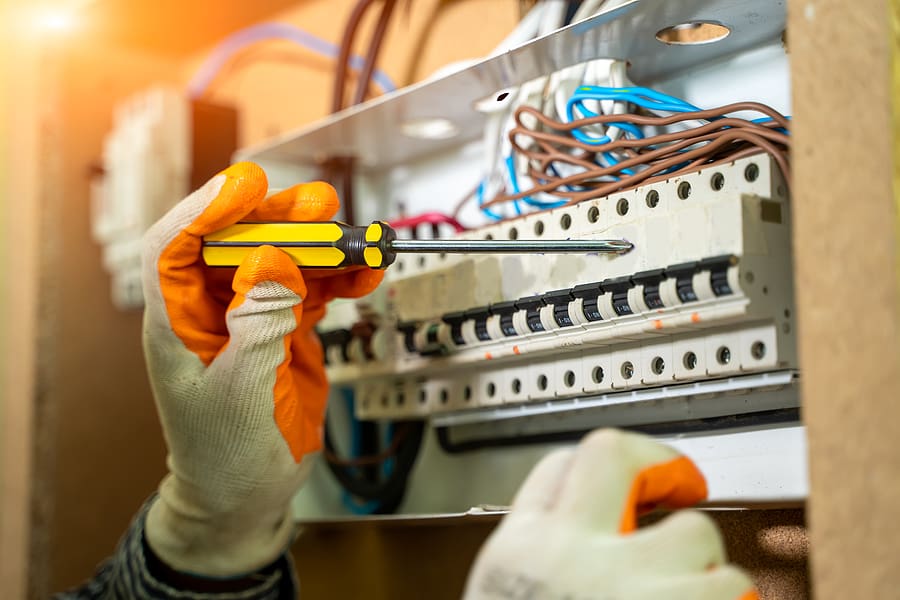

Electrical wiring codes are crucial for ensuring safety and performance in electrical installations. These codes, often established by organizations like the National Fire Protection Association (NFPA) in the United States through the National Electrical Code (NEC), provide guidelines that must be followed for any electrical work. Here are eight key requirements that every electrical wiring code typically covers:
1. Safety Standards
Safety is the foremost priority in electrical wiring codes. They set out standards to prevent hazards such as electrical fires, shock, and other dangerous incidents. This includes the use of appropriate materials, protective equipment, and installation practices to minimize risks.
2. Wiring Methods
The codes specify acceptable wiring methods, including the types of cables and conduits that can be used. For example, proper ratings for different environments—like wet, dry, or hazardous locations—are essential for ensuring durability and safety. Wiring must be installed in a way that avoids physical damage and splicing inappropriately.
3. Load Calculations
Accurate load calculations are essential to ensure that the electrical system can handle the power demands of all connected devices. Codes require that calculations be made to determine the necessary wire size and circuit configuration to prevent overheating and potential fire hazards.
4. Grounding and Bonding
Grounding helps prevent electric shock and ensures a path for electricity to follow in case of a fault. Electrical wiring codes detail the requirements for bonding and grounding systems, including the types and sizes of grounding conductors to be used to ensure effective dissipation of electricity.
5. Circuit Protection
Protection mechanisms, such as circuit breakers and fuses, are mandated to safeguard against overloads and short circuits. Wiring codes specify the types, ratings, and installation practices for these devices to ensure they function correctly and reliably.
6. Outlet and Switch Placement
Codes dictate the appropriate placement of outlets and switches to improve safety and convenience. This includes requirements for height, spacing, and accessibility, particularly in residential settings and areas where water is present, like kitchens and bathrooms.
7. Lighting Requirements
Proper lighting not only enhances safety but also affects productivity and mood. Codes cover requirements for various lighting configurations, emergency lighting for exits, and the use of energy-efficient fixtures to promote sustainability.
8. Inspection and Compliance
Finally, electrical wiring codes emphasize the importance of regular inspections to ensure compliance. This includes guidelines for testing and reviewing installations to ensure they meet safety and performance standards. Non-compliance can lead to significant hazards and legal repercussions, emphasizing the importance of adherence to these codes.
In conclusion, understanding and following electrical wiring codes is crucial for anyone involved in electrical installations, ensuring not just legal compliance, but the safety and well-being of all users.
For more details and the full reference, visit the source link below: