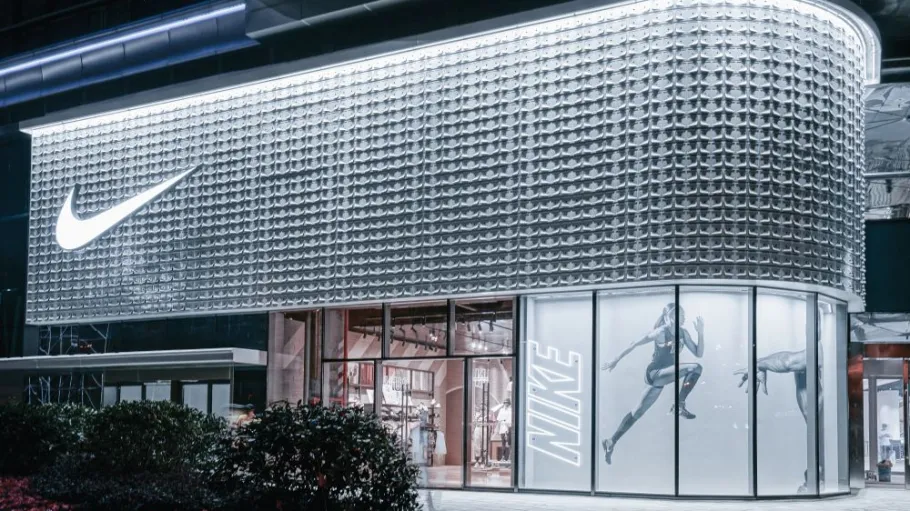

Nike’s recent report highlighting a drop in critical shares due to weak sales in China sent ripples through the retail and investment markets. As one of the world’s leading athletic wear brands, Nike’s performance often serves as a barometer for consumer trends and economic health, particularly in key markets like China. The company’s reliance on this rapidly growing market has been crucial to its overall financial success, making the recent downturn particularly concerning.
Analysts noted that the decline in sales is attributed to a combination of factors. The ongoing repercussions from global supply chain disruptions, exacerbated by China’s stringent COVID-19 policies, have hindered production and distribution capabilities. Retail foot traffic has also diminished, as many consumers remain cautious about shopping in physical stores amid lingering uncertainties about health and the economy.
Furthermore, shifting consumer preferences play a role in this weakening. The rise of local brand loyalty in China poses significant competition to Nike, as many consumers gravitate towards domestic brands that resonate more with their cultural and social identities. This trend highlights a challenge for international companies operating in the region, as they must not only compete on quality and price but also connect with the local consumer psyche.
The broader economic situation has contributed to changes in purchasing behavior. With inflation impacting discretionary spending, consumers may be prioritizing essential goods over luxury items, including premium athletic wear. Nike’s premium pricing strategy requires careful navigation in challenging economic climates, where consumers may seek more affordable alternatives.
Nike’s management aim to mitigate these risks by emphasizing direct-to-consumer (DTC) strategies. Investing in its online platforms and enhancing the customer experience can help forge stronger connections with consumers and address shifting purchasing behaviors. While this approach may cushion the blow of poor performance in traditional retail formats, it is an uphill battle against the growing trend towards local brands.
In response to the falling shares and weak performance in China, Nike is under pressure to reassess its market strategies, product offerings, and pricing models. The company needs to innovate while continuing to build brand loyalty amid fierce competition.
As Nike navigates this challenging landscape, stakeholders will closely monitor how it responds to market shifts both in China and globally. The company’s ability to adapt quickly could determine its long-term viability, making this a critical moment in Nike’s ongoing saga. Balancing risk with innovation will be essential as Nike prepares to face an unpredictable economic future.
For more details and the full reference, visit the source link below: