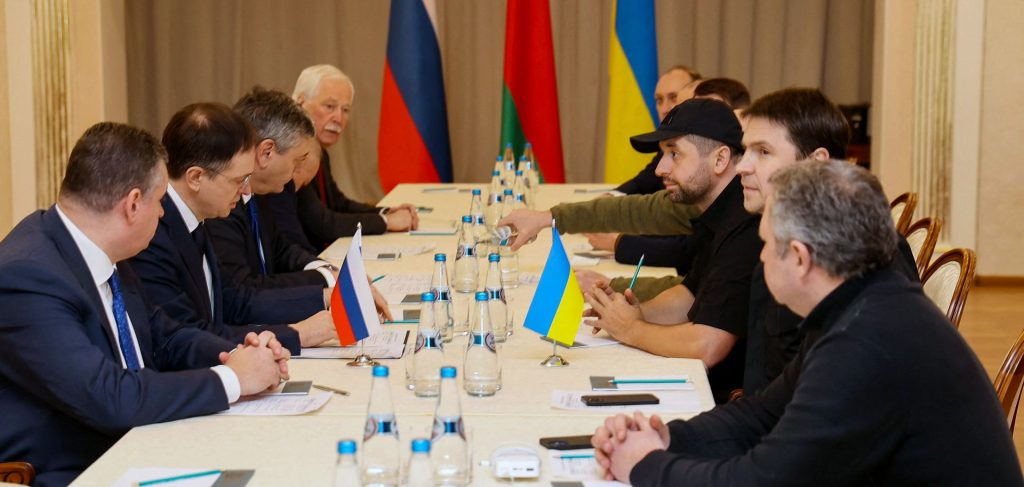

The debate surrounding the frozen assets of Russia in the European Union (EU) has gained significant traction in recent months, driven by the ongoing conflict in Ukraine and rising geopolitical tensions. Following Russia’s invasion of Ukraine in February 2022, the EU, along with its allies, imposed extensive sanctions on Moscow, including the freezing of assets belonging to prominent Russian figures, corporations, and the central bank. This unprecedented step was aimed at crippling the Russian economy and pressuring the Kremlin to cease its military aggression.
One of the critical aspects of this debate is the scale and scope of the frozen assets. Reports indicate that EU member states have immobilized a staggering sum, estimated to be over €300 billion. This figure includes both state and private assets, from oligarchs’ luxury yachts and real estate to the reserves held by the Central Bank of Russia. The complexity of managing these assets has raised questions not only of legality but also of morality. Should the EU consider using these funds to aid Ukraine’s recovery? Or is there a risk that such action could set a dangerous precedent for international law and asset management?
Another critical facet of the discussion is the call among some EU member states for a coordinated approach to repurpose these frozen assets to support Ukraine. Proponents, including various leaders and think tanks, argue that deploying these funds for reconstruction efforts could serve as a powerful message against Russian aggression. However, critics caution against hastily reallocating the funds. They argue that doing so could violate property rights and undermine the sanctity of legal frameworks. Furthermore, such actions might deter future investments in the EU, as concerns over asset security could arise.
The debate also highlights the broader implications for EU-Russia relations. Some EU member states, especially those in Eastern Europe, advocate for a more aggressive stance against Moscow, viewing asset confiscation as a necessary tool to uphold international law and support Ukraine. In contrast, other nations, particularly those with historical ties to Russia or reliant on Russian energy, express concerns over the long-term consequences of a hardline approach.
Ultimately, the frozen assets debate is emblematic of the complex interplay between justice, economic stability, and international relations. As the EU navigates these treacherous waters, the decisions made today could resonate for years, influencing not only the future of Europe but the global order itself. The challenge lies in balancing the need for a robust response to Russia’s actions while ensuring that the principles of justice and economic stability are not compromised.
For more details and the full reference, visit the source link below: