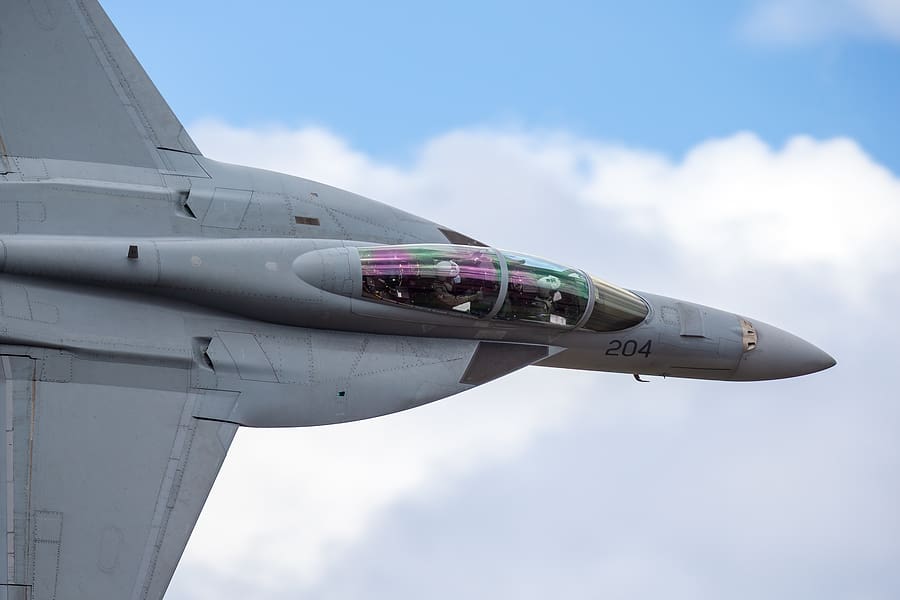

On a strategic front, U.S. military operations against ISIS (Islamic State of Iraq and Syria) have intensified over the years, particularly focusing on Syria, which has been a significant battleground in the fight against this extremist group. The U.S. has conducted numerous airstrikes targeting ISIS sites, aiming to dismantle their networks and reduce their capacity for conducting operations both regionally and globally.
The decision to bomb ISIS sites in Syria is influenced by the group’s persistent threat to regional stability and international security. Despite the territorial defeat of ISIS in 2017, the group has proven adaptable, establishing sleeper cells and conducting guerrilla-style attacks in areas where military presence is reduced. The U.S. aims to preemptively disrupt these activities by targeting various key locations, including weapon storage, command centers, and training camps, thereby hindering their operational capabilities.
Joint operations, often carried out in coordination with the Syrian Democratic Forces (SDF), represent a significant aspect of this military campaign. The SDF, a multi-ethnic coalition of Kurdish and Arab fighters, has been instrumental in ground operations against ISIS. By collaborating with local forces, the U.S. not only strengthens its position but also promotes regional stability and self-governance among local communities. This partnership is fundamental, as it ensures that the fight against ISIS is not purely an external military intervention but involves local stakeholders who are directly affected by the conflict.
However, these operations are not without controversy. The bombings have drawn criticism for causing civilian casualties, raising ethical concerns about the collateral damage associated with military interventions. Human rights organizations often highlight the dire humanitarian situation in Syria, where millions have been displaced due to ongoing conflicts. As a result, the U.S. has expressed attempts to minimize civilian harm by employing precision-guided munitions and conducting extensive intelligence assessments prior to strikes.
Moreover, the geopolitical implications of U.S. bombings in Syria are complex. They involve navigating relations with various regional actors, including Russia and Iran, who have vested interests in the ongoing conflict. The U.S. military presence in Syria aims not only to combat ISIS but also to counterbalance Iranian influence in the region and support allies such as Israel.
In conclusion, U.S. bombings targeting ISIS sites in Syria represent a critical component of the broader strategy to combat terrorism and maintain regional stability. This multifaceted approach includes partnerships with local forces and attempts to mitigate humanitarian impacts, while also navigating complex geopolitical landscapes. The fight against ISIS remains ongoing, highlighting the persistence of extremist threats in an ever-evolving global context.
For more details and the full reference, visit the source link below:
Read the complete article here: https://www.stl.news/us-bombs-isis-sites-in-syria/