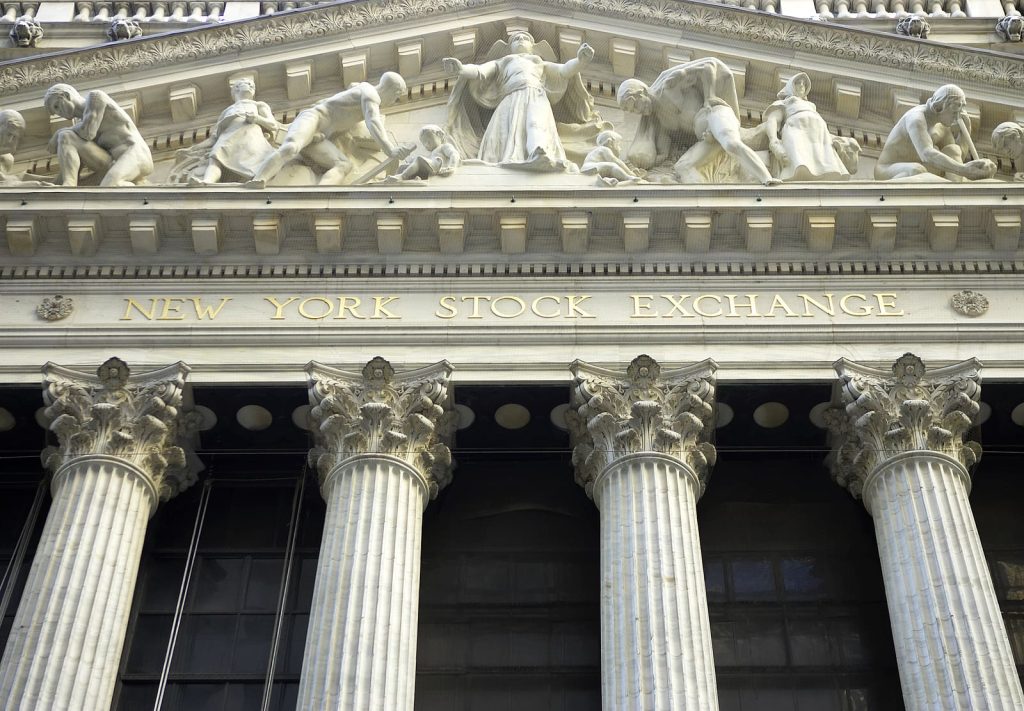

As the holiday season approaches, U.S. financial markets are gearing up for a week of trading that typically sees a mix of volatility and opportunity. Historically, the days surrounding major holidays, such as Thanksgiving and Christmas, often yield lighter trading volumes as many institutional investors and traders take time off. However, this period can also present unique trading patterns and opportunities for savvy investors.
In recent years, the holiday trading week has become significant for several reasons. First, many investors tend to shift their focus towards year-end performance. Portfolio rebalancing is common as fund managers look to align their holdings with investment strategies for the upcoming year. This often leads to increased buying or selling activity in certain sectors, impacting stock prices.
Furthermore, several economic indicators and reports are set to be released during this period. These include key metrics like consumer confidence, retail sales data, and employment figures that can influence market sentiment and drive trading behavior. The relationship between consumer spending and the overall economy makes this data particularly crucial during the holiday season, as retailers rely on strong sales to bolster their year-end earnings.
Another vital aspect of the holiday trading week is investor psychology. Many market participants become more optimistic during this period, often driven by the “Santa Claus Rally” phenomenon, where stock prices tend to rise in the last week of December. This seasonal optimism can create a self-fulfilling prophecy, as rising prices encourage further buying, even if market fundamentals remain unchanged.
However, investors must remain cautious. The lighter trading volume can lead to increased volatility, particularly if unexpected economic news or geopolitical events occur. This volatility can create both risks and opportunities, making it essential for traders to stay informed and agile.
Amidst the holiday cheer, market participants should also pay attention to broader global economic shifts. Factors such as interest rate changes from the Federal Reserve, inflation concerns, and international trade dynamics continue to influence market behavior. These elements can dramatically impact investor strategies, especially as they attempt to gauge the economic landscape for the new year.
In summary, the holiday trading week in U.S. financial markets presents a unique blend of opportunity and caution. With lighter trading volumes, economic data releases, and seasonal trends, investors should be prepared for both volatility and potential gains. As the year draws to a close, strategy, research, and timing will be crucial for those looking to navigate this festive yet unpredictable market environment.
For more details and the full reference, visit the source link below: