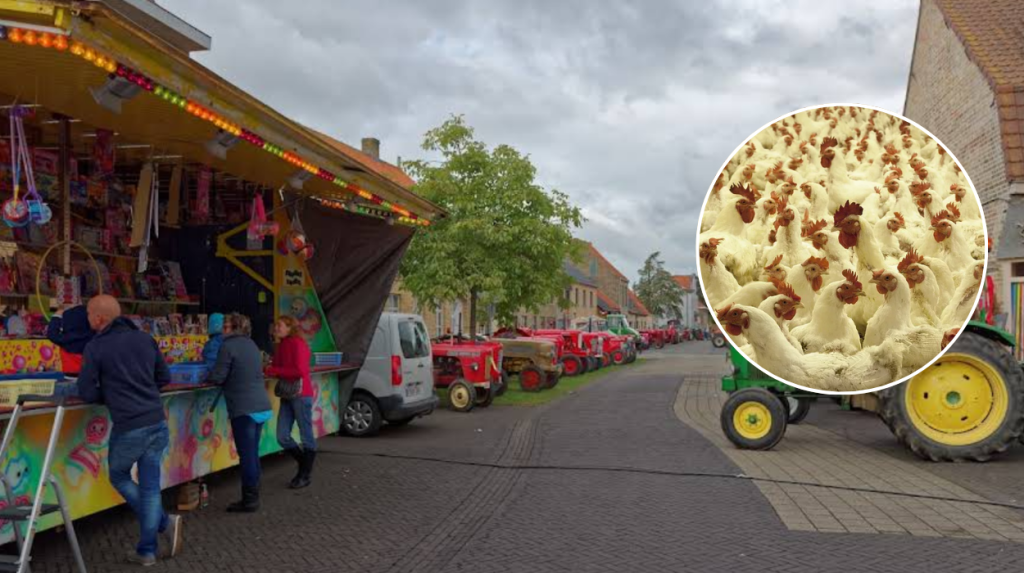

In recent news, the small town of Houtem in Veurne, Belgium, has faced a significant agricultural crisis as avian influenza outbreaks have struck local poultry farms, leading to the culling of thousands of chickens. This incident highlights the challenges and threats posed by infectious diseases to the agricultural sector, particularly poultry farming, which plays a crucial role in the economy and food supply of the region.
Avian flu, caused by various strains of the influenza A virus, can spread rapidly among birds, leading not only to economic losses but also to public health concerns. In the case of the Houtem farm, officials confirmed the diagnosis of the virus after several chickens exhibited symptoms typical of avian influenza. Prompt response protocols were initiated to contain the virus, including the immediate culling of infected and potentially exposed birds to prevent further spread.
The impact on the local farming community is profound. Thousands of chickens—who are not just livestock but are often considered an integral part of farmers’ livelihoods—had to be euthanized to protect the health of other birds and ensure the safety of poultry products. Such actions, while necessary for disease control, amplify the emotional and financial burdens on farmers who may face significant losses, having invested considerable resources into their flocks.
Farmers at Houtem are now left grappling with the aftermath of this decision. Beyond the immediate financial losses from culling, the long-term effects on their operations could be substantial. Many may face increased scrutiny from regulatory bodies, challenges in restocking flocks, and a potential decline in consumer confidence. Moreover, the fear of avian flu can lead to broader repercussions in the poultry market, affecting supply chains and pricing.
Public health officials are monitoring the situation closely, not only to safeguard the poultry industry but also to ensure that the virus does not transfer to humans. Although instances of transmission to humans are rare, the potential for zoonotic diseases to emerge from animal populations keeps authorities vigilant.
In summary, the avian flu outbreak at the Houtem farm in Veurne serves as a stark reminder of the vulnerabilities within agricultural systems. It emphasizes the necessity for robust biosecurity measures, improved surveillance for disease outbreaks, and the importance of community support for farmers affected by such crises. As the region looks to recover, the resilience of its agricultural sector will undoubtedly be put to the test, demanding innovations in farming practices and a concerted effort to safeguard both animal and public health.
For more details and the full reference, visit the source link below: