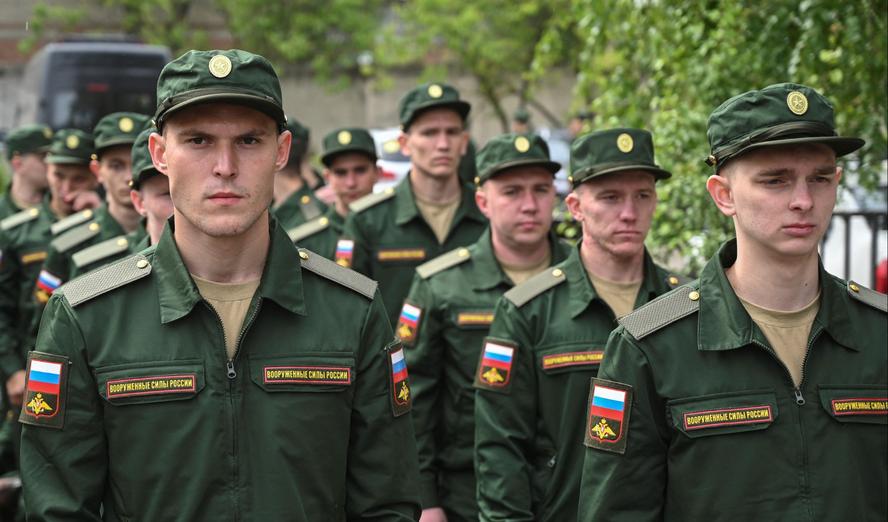

As of 2025, Russia’s contractual military forces are a crucial component of its military strategy, reflecting a significant shift toward modernized and flexible defense capabilities. This transformation is aimed at addressing the challenges posed by contemporary geopolitical dynamics, including regional conflicts and potential confrontations with NATO.
The Russian military has increasingly relied on contract soldiers—professionals who enlist for a set term of service—over traditional conscription. This shift enables the military to maintain a more skilled and motivated force. The advantages of a professional army include enhanced operational readiness, improved training processes, and greater unit cohesion. By 2025, Russia envisions its contracted military personnel constituting a substantial portion of its armed forces, thereby promoting efficiency and effectiveness.
The expansion of contracted military forces aligns with the broader military reform strategies initiated in previous years, which focused on modernization, improved logistics, and the integration of advanced technology. These reforms specifically target the need for a highly trained and professional military to respond to emerging threats, including asymmetric warfare and cyber challenges.
In addition, the ongoing military exercises, such as those conducted in the Arctic and Eastern Europe, highlight the importance of these forces in showcasing Russia’s capabilities and readiness. The ability to deploy professional troops rapidly in various conditions increases the Kremlin’s operational flexibility. Moreover, the incorporation of cutting-edge technologies—like unmanned systems and advanced missile systems—demonstrates a commitment to enhancing the capabilities of contract forces.
Russia’s push to grow its contracted military forces reflects broader socio-political dynamics within the country. With demographic trends and a declining birth rate, the reliance on a professional army is seen as a necessary step to ensure sufficient military readiness without reverting to conscription, which may be unpopular among the population. This shift has been further propagated by the state’s investment in military infrastructure and local defense industries, fostering a more integrated approach to national security.
Furthermore, Russia’s regional and global influence relies heavily on its military capabilities. The ability to project power in conflict zones and protect its interests in the Arctic or the Black Sea serves to solidify Russia’s status as a key player on the world stage. As such, the contractual service initiative not only enhances military effectiveness but also aligns with national strategic objectives.
In conclusion, the growth of Russia’s contracted military forces by 2025 is indicative of a broader transformation within its military framework—moving towards a professional, technologically advanced armed force capable of adapting to modern warfare requirements. The implications of this shift will resonate both regionally and globally, influencing Russia’s military posture and international relations in the coming years.
For more details and the full reference, visit the source link below: