
In recent years, the Iranian landscape has emerged as a focal point of U.S. foreign policy, particularly under the administration of former President Donald Trump. Trump’s approach to Iran was marked by bold, often unorthodox decisions that reshaped longstanding diplomatic norms and significantly affected the geopolitical landscape of the Middle East.
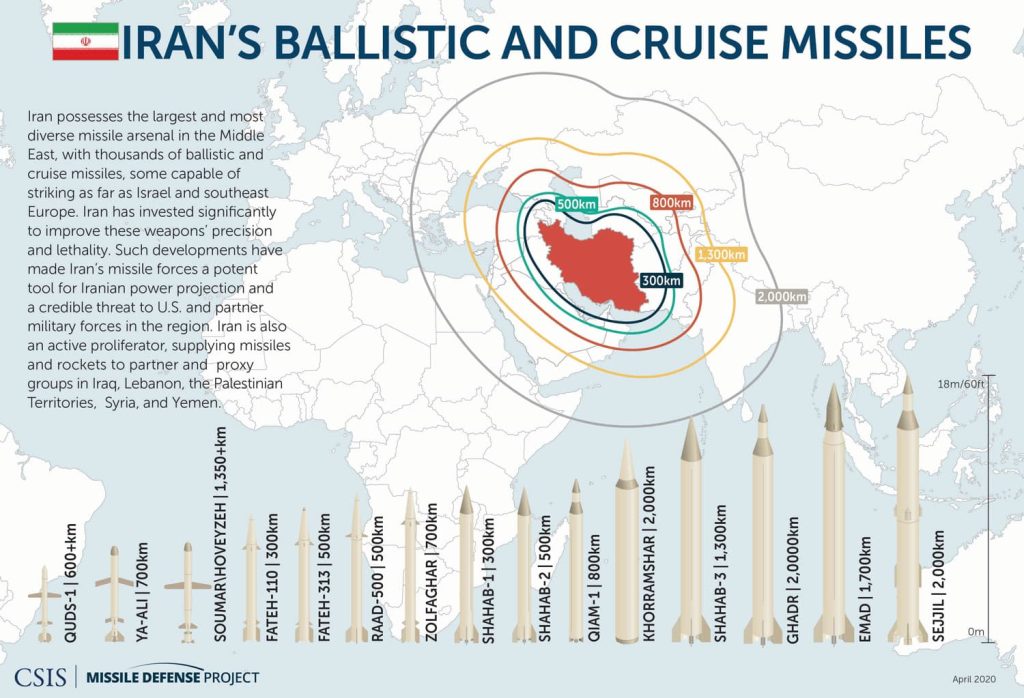
One of the cornerstone elements of Trump’s foreign policy regarding Iran was the withdrawal from the Joint Comprehensive Plan of Action (JCPOA) in May 2018. The JCPOA, agreed upon in 2015 between Iran and six major powers (the U.S., U.K., France, Russia, China, and Germany), aimed to curb Iran’s nuclear capabilities in exchange for sanctions relief. Trump’s administration deemed the agreement insufficient, arguing that it failed to address Iran’s missile program and its regional activities, including its support for militant groups like Hezbollah.
The withdrawal from the JCPOA was a pivotal moment, leading to the reinstatement of stringent economic sanctions against Iran. The intent was to exert “maximum pressure” on Tehran, forcing it back to the negotiating table to achieve a more comprehensive deal. However, this strategy also led to unintended consequences. Iran, responding to the sanctions, began to gradually breach the agreed-upon limitations of the nuclear deal, escalating tensions in the region.
The U.S. also adopted a more aggressive military stance in the region, including the targeted killing of Iranian General Qassem Soleimani in January 2020. This action heightened fears of open conflict between the two nations, culminating in retaliation from Iran in the form of missile strikes on U.S. bases in Iraq. The incident underscored the volatility of U.S.-Iran relations and the risk of miscalculations leading to broader conflict.
Moreover, Trump’s approach also influenced U.S. alliances in the region. While attempting to isolate Iran, the administration sought closer relationships with traditional U.S. allies like Saudi Arabia and Israel, fostering a coalition aimed at countering Iranian influence.
Critics of Trump’s Iran policy argue that the strategy undermined U.S. credibility internationally and emboldened Iran’s regional ambitions rather than containing them. The question remains: as the geopolitical landscape continues to shift, how will subsequent administrations navigate the complex web of diplomacy, sanctions, and military deterrence that Trump’s approach initiated?
Ultimately, the effectiveness of Trump’s foreign policy concerning Iran represents a significant case study in the broader narrative of American diplomacy. The challenges that arose during his tenure continue to loom large, signaling that the Iranian test is far from over. Future U.S. administrations must grapple with the legacy of these policies as they seek sustainable solutions to one of the most complex security dilemmas in the modern world.
For more details and the full reference, visit the source link below: