
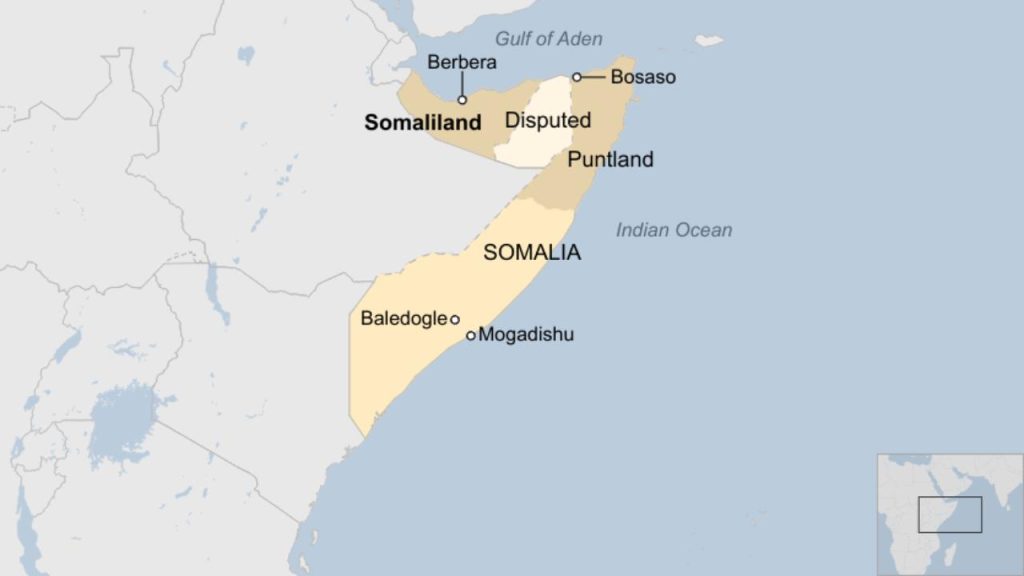

The recognition of Somaliland as an independent state remains a contentious issue in international relations, particularly in the Horn of Africa. Somaliland declared its independence from Somalia in 1991 following the collapse of the Somali government. Despite its relatively stable governance and democratic elections, Somaliland has not gained formal recognition from the international community, facing numerous challenges in its quest for legitimacy.
At the heart of the recognition dispute is the significance of sovereignty in international law. According to established norms, sovereignty does not merely hinge on self-declared independence; it typically necessitates recognition from other states. In the case of Somaliland, while it boasts its own government, military, and institutions, these factors alone have not translated into formal statehood in the eyes of the United Nations or key global powers.
One of the critical obstacles to recognition lies in the geopolitical landscape of the Horn of Africa. The international community is largely committed to supporting the unity of Somalia, primarily to maintain stability in the region. Any move to recognize Somaliland could set a precedent for other separatist movements across Africa, potentially destabilizing countries battling with ethnic divisions and territorial disputes. This apprehension inhibits genuine engagement with Somaliland’s aspirations for independence.
Moreover, the historical context enriches the discourse surrounding Somaliland’s quest for recognition. Unlike other secessionist movements that are often marred by violence, Somaliland’s transition post-independence has been peaceful and characterized by nation-building efforts. Its success in establishing a functioning democracy, holding multiple free and fair elections, and fostering relative economic stability contrasts sharply with the ongoing conflicts within Somalia. This dichotomy has prompted discussions on the ethics of recognition: should a region with such governance merits be ignored merely due to historical territorial claims?
International interest in Somaliland has also been driven by its strategic location, particularly concerning maritime routes and the fight against piracy. Countries like the United States and the United Kingdom have begun to engage more actively with Somaliland, seeing it as a potential ally in promoting regional stability. However, these interactions often stop short of outright recognition, often emphasizing trade and development instead of statehood.
In summary, while Somaliland has demonstrated legitimacy and capacity as a self-governing entity, the critical recognition dispute remains entangled in complex historical, political, and geopolitical considerations. The lack of recognition not only highlights the challenges faced by Somaliland but also serves as a reflection of broader issues regarding self-determination and sovereignty in today’s global order. As dialogues continue, the international community must navigate these multifaceted issues to foster a constructive approach towards Somaliland’s aspirations.
For more details and the full reference, visit the source link below:


