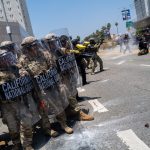
Political identity conflicts are deeply intertwined with historical roots, influencing modern societies in various ways. These conflicts arise when individuals or groups carve out their identities based on political beliefs, national allegiance, ethnic backgrounds, or religious affiliations. Historical narratives often frame these identities, shaping perceptions and fostering competition among differing groups.
One of the most illustrative examples can be seen in the context of post-colonial countries. The borders drawn by colonial powers frequently disregarded existing cultural and ethnic boundaries, leading to conflicts that continue to resonate today. In countries like Nigeria, for instance, the amalgamation of diverse ethnic groups without consideration for historical grievances has resulted in persistent tensions. The Biafran War (1967-1970) showcased the depth of these divisions, as the Igbo people sought independence due to perceived marginalization by the federal government dominated by other ethnic groups.
In Europe, the roots of political identity conflicts can be traced back to the aftermath of World War I and the Treaty of Versailles, which redrew national boundaries while ignoring ethnic affiliations. The fragmentation of larger empires into smaller nation-states created artificial divisions, fostering resentment that would later fuel conflicts. The Balkans, with its complex mosaic of ethnic identities, provides a stark example. The Yugoslav Wars in the 1990s were steeped in centuries-old rivalries, with the historical narratives of oppression and dominance shining through as groups sought to assert their identities.
In the United States, the legacy of slavery and racial segregation has solidified identity-based political divides. The civil rights movement of the 1960s was not only a struggle for equality but also a conflict over historical narratives that defined American identity. These historical injustices continue to influence contemporary discussions around race, systemic inequality, and political representation, revealing how deeply embedded historical issues can affect modern political climates.
The complexity of political identity conflicts is compounded by globalization. As individuals from diverse backgrounds interact in increasingly interconnected societies, long-standing historical grievances can be exacerbated by new dynamics. Social media amplifies these conflicts, providing platforms for various groups to articulate their narratives but sometimes resulting in echo chambers that deepen divides.
Understanding the powerful historical roots of political identity conflicts is essential for addressing contemporary issues. By acknowledging the past and fostering dialogue among conflicting identities, societies can work toward healing and mutual understanding. In doing so, they may find pathways to coexistence that honor historical grievances while cultivating a shared vision for the future.
For more details and the full reference, visit the source link below: