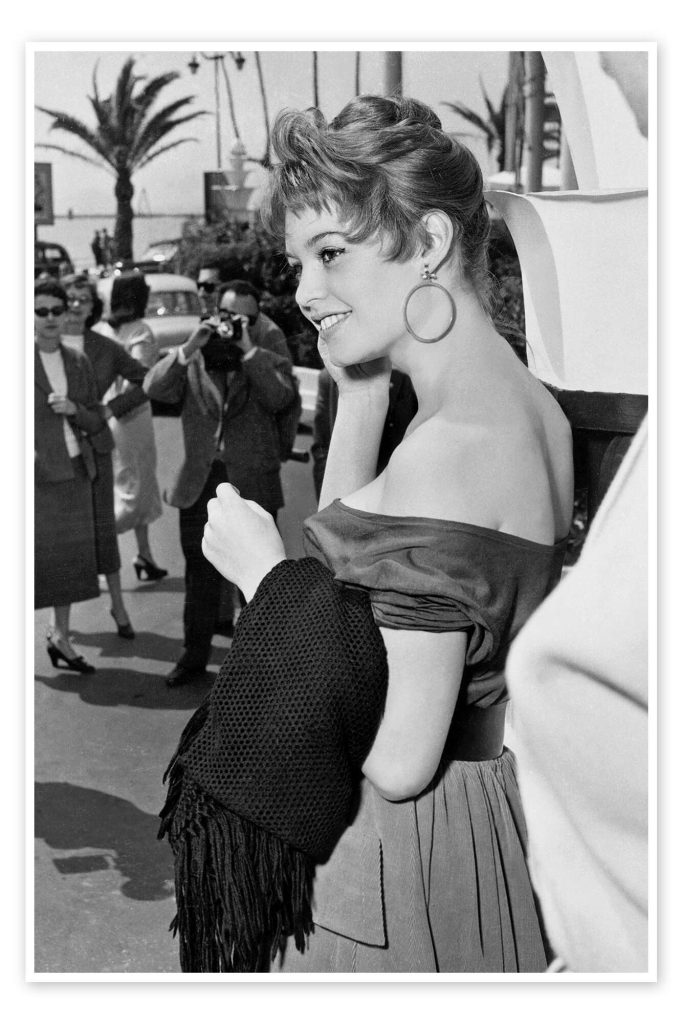

Brigitte Bardot emerged as an iconic figure in cinema during the 1950s, marking a powerful shift in both film and societal attitudes towards femininity and sexuality. As France’s leading actress, Bardot embodied the carefree spirit and changing mores of the post-war era. Her performances not only captivated audiences but also challenged traditional notions of women’s roles in society and film.
Born in 1934, Bardot began her acting career in the early 1950s. Her breakthrough came with the 1956 film “And God Created Woman,” directed by Roger Vadim, which catapulted her to international fame. Bardot’s portrayal of a free-spirited woman living on the French Riviera resonated with a generation that was emerging from the constraints of wartime conservatism. The film presented an audacious mix of innocence and sensuality, positioning Bardot as a sex symbol, yet her character was far more nuanced and complex than mere objectification.
The 1950s marked a departure from the classic Hollywood ideals of femininity. Bardot’s image countered the polished and restrained portrayals of women, introducing a new archetype of the liberated woman. She was unapologetically sexual, embodying a sense of freedom that mirrored the cultural revolutions of the time. Her allure lay not just in her beauty but also in her spirit, defying conventions with a playful attitude toward her sexuality and independence.
Bardot starred in a series of successful films throughout the decade, such as “Life and Nothing But” and “The Night Heaven Fell,” each showcasing her magnetic presence and talent. These films contributed to the ‘nouvelle vague’ (New Wave) movement in cinema, a revolutionary force that emphasized personal expression, realism, and a break from established norms. Directors began to use Bardot to convey deeper themes, exploring societal issues while transforming her image into that of an emblematic figure of modernity.
Moreover, Bardot’s influence extended beyond the silver screen. She became a cultural icon and a fashion muse, popularizing trends that would define a generation. Her signature style—a mix of femininity, casual elegance, and playful rebellion—was adopted by young women worldwide, symbolizing a newfound sense of autonomy, both in fashion and life choices.
As the 1950s came to a close, Bardot had solidified her place as a cultural phenomenon. Her impact reshaped cinema, paving the way for future generations of actresses who would draw inspiration from her unbound spirit. Bardot’s films were more than just entertainment; they represented a pivotal moment in film history, reflecting broader social transformations and changing perceptions of women’s roles in society. Through her work, Brigitte Bardot became a potent force, encapsulating the vibrant clash between tradition and modernity in post-war France.
For more details and the full reference, visit the source link below: