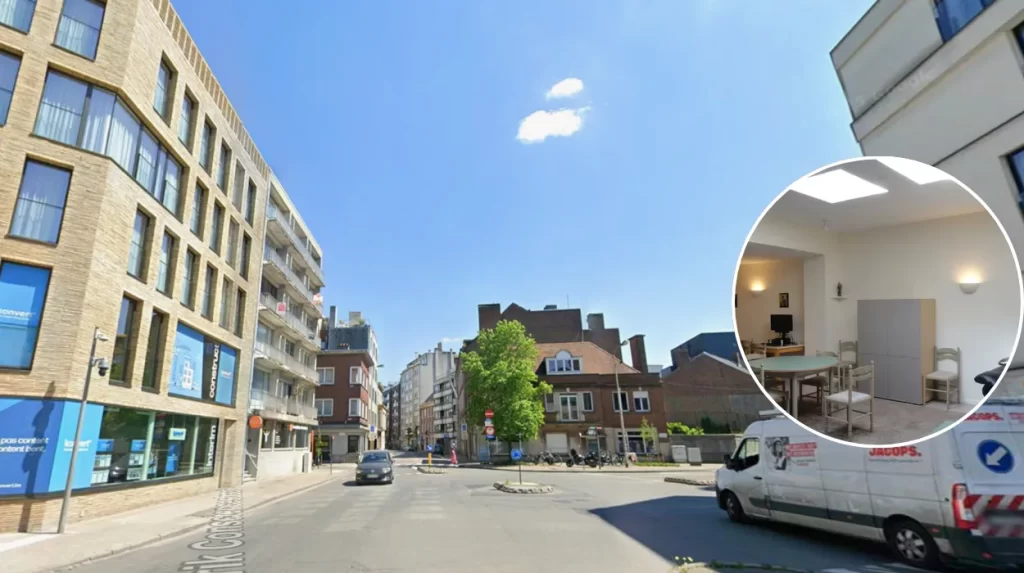

Kortrijk De Kier, an essential organization dedicated to aiding the homeless population in Kortrijk, Belgium, is currently grappling with a significant challenge: a shortage of 30 beds for those in need. This shortfall comes at a time when the demand for shelter is on the rise, exacerbated by the ongoing socio-economic pressures that have left many individuals vulnerable to homelessness. The issue is further complicated by a recent cut in subsidies that has strained the organization’s resources, limiting its ability to provide adequate support.
The homelessness crisis is not just a statistic; it represents real people facing dire circumstances. Many homeless individuals experience a lack of stability, social isolation, and diminished access to essential services like healthcare and employment. As winter approaches, the urgency for adequate shelter becomes even more acute. Kortrijk De Kier has been a vital player in addressing these needs, providing a haven for individuals seeking refuge from the harsh realities of life on the streets. However, with a deficit of 30 beds, the organization is forced to turn away individuals who desperately seek assistance, leaving them vulnerable and without options.
The recent subsidy cuts pose a significant threat to the sustainability of Kortrijk De Kier’s programs. These funds have historically supported various operational costs, from staffing to maintaining facilities. Without this crucial financial backing, the organization faces challenges not only in expanding its capacity but also in maintaining the level of care and support currently offered. This precarious situation raises questions about the long-term viability of services designed to combat homelessness.
Community response to these developments has been mixed. While there is a clear recognition of the importance of the work done by Kortrijk De Kier, there is also mounting frustration regarding the lack of governmental support. Many advocates argue that addressing homelessness should be a priority, urging local and national governments to reconsider funding allocations to social services. Public awareness campaigns are gaining traction, aiming to highlight the urgent needs of the homeless population and advocate for increased resources.
As Kortrijk De Kier confronts these substantial challenges, it remains committed to its mission. The organization is rallying support from local community members and businesses to help bridge the gap created by the subsidy cuts. Initiatives such as donation drives, fundraisers, and outreach programs are being launched to generate the necessary funds and support.
In conclusion, the situation at Kortrijk De Kier serves as a microcosm of the broader issues surrounding homelessness in modern society. With a pressing need for additional beds and diminishing financial support, the organization faces a critical juncture in its mission to provide safe shelter and services to those in need. The community must come together to advocate for change and ensure that no one is left without a place to call home.
For more details and the full reference, visit the source link below: