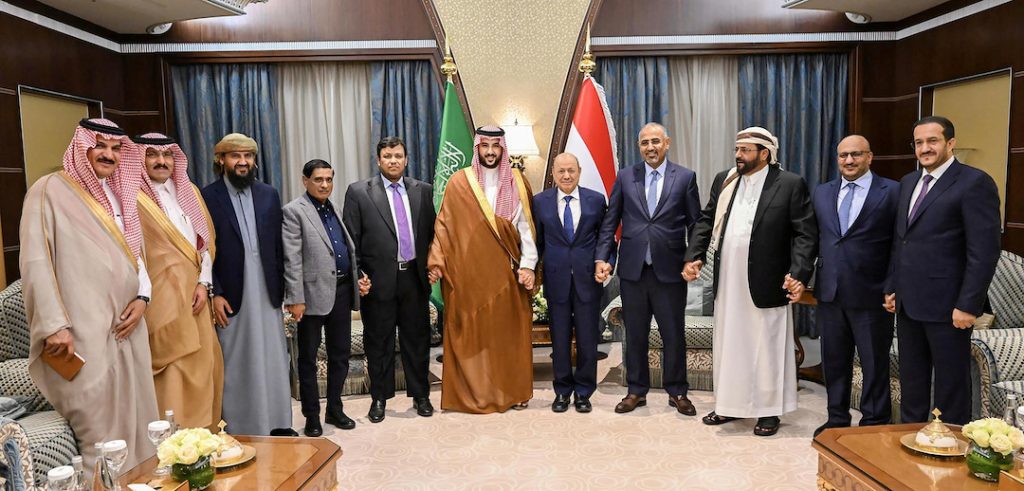

The relationship between Yemen and the United Arab Emirates (UAE) has undergone significant transformations over the past decade, particularly in the context of regional conflicts and geopolitical dynamics. This alliance reached a powerful turning point during the ongoing Yemeni Civil War, which began in 2014. The UAE’s involvement has been multifaceted, driven by strategic interests, economic goals, and security concerns.
Initially, the UAE’s engagement in Yemen was part of a broader coalition led by Saudi Arabia, aimed at restoring the internationally recognized government of President Abd-Rabbu Mansour Hadi. The coalition intervened militarily after the Houthi movement, which has Iranian support, seized control of significant portions of Yemen, including the capital, Sana’a. The UAE quickly emerged as a key player, providing substantial military and logistical support.
One of the critical developments in Yemen-UAE relations has been the formation of local militias, notably the Southern Transitional Council (STC). The UAE’s backing of the STC marked a significant shift in its strategy, as it sought to empower regional actors who could help achieve its interests in southern Yemen. This move, however, has also led to tensions with the Saudi-led coalition, complicating the overall dynamics of the conflict. The STC’s aspiration for greater autonomy for southern Yemen reflects not just local aspirations but also the UAE’s vision of a more fragmented political landscape in the country.
Moreover, the UAE’s involvement is not solely military. The Emirati government has invested in infrastructure projects, humanitarian aid, and efforts to stabilize the regions under its control, hoping to reshape Yemen’s economic landscape. This dual focus on military might and economic development is emblematic of the UAE’s broader foreign policy goals: to increase its influence in the Arabian Peninsula while counterbalancing Iranian influence.
The UAE’s relationship with Yemen has also seen periods of friction, particularly regarding the STC’s ambitions conflicting with the Hadi government’s objectives. Negotiations and power-sharing agreements have been complicated by shifting alliances and interests within Yemen. Consequently, the UAE has had to navigate a complex web of relationships, both among local factions and regional powers.
In conclusion, Yemen-UAE relations represent a powerful turning point in the geopolitical landscape of the Arabian Peninsula. The UAE’s strategic investments in military and economic endeavors are reshaping not just Yemen but the broader balance of power in the region. As the conflict evolves, the nature of this relationship will be critical in determining the future trajectory of both countries.
For more details and the full reference, visit the source link below:
Read the complete article here: https://brusselsmorning.com/yemen-uae-relations-shift/87417/