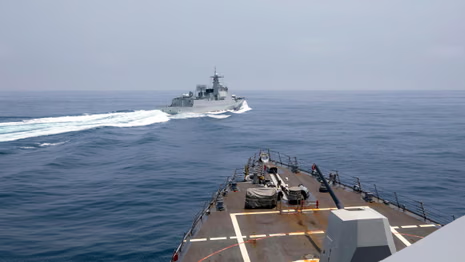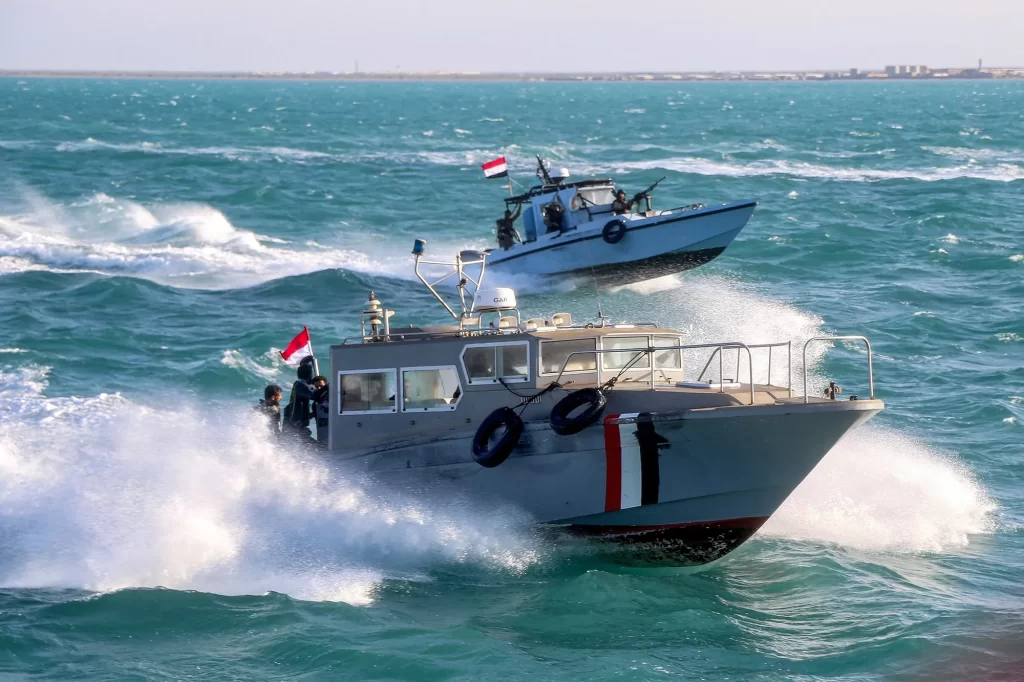

The Red Sea region has long been a strategic corridor for international trade, but it has also become a focal point of conflict due to Yemen’s ongoing crisis. Since the escalation of civil war in 2014, Yemen has been embroiled in a multifaceted humanitarian disaster, leading to a significant security crisis in the Red Sea. The conflict primarily pits the Houthi movement, backed by Iran, against a Saudi-led coalition supporting the Yemeni government, complicating regional power dynamics and raising alarms of a broader confrontation.
The Red Sea’s security situation is complicated by the presence of various maritime threats, including piracy, arms smuggling, and the terrorism of jihadi groups seeking to exploit the chaos. With strategic ports like Bab el-Mandeb at the southern end of the Red Sea, the stakes are incredibly high. This strait is a crucial passage for approximately 10% of global trade, linking Europe and Asia. Any disruption in this vital waterway could have severe repercussions on shipping routes and global oil prices.
The Houthi’s capability to launch missile attacks and drone strikes against shipping traffic and Saudi territory has intensified fears of broader escalation in the Red Sea. The coalition’s response has involved heightened naval operations aimed at securing shipping lanes and deterring Houthi aggressions. However, these military actions often lead to collateral impacts, exacerbating the humanitarian situation in Yemen during a time of widespread famine and disease.
Additionally, the Red Sea crisis is further complicated by regional geopolitics. The interests of global powers, including the United States, China, and Russia, converge on this strategically vital region. The U.S. has been involved in anti-piracy operations while maintaining a focus on countering Iranian influence. At the same time, China is expanding its presence through investments and partnerships, especially in the context of the Belt and Road Initiative. The interplay of these global interests ultimately shapes the security landscape of the Red Sea.
Moreover, the humanitarian crisis triggered by the Yemeni conflict places pressure on regional neighbors, as millions of displaced individuals seek refuge. This influx can lead to additional security challenges, including resource shortages and inter-community disputes within host nations.
In summary, the crisis in Yemen has a pronounced impact on Red Sea security, presenting a volatile mix of humanitarian needs and geopolitical interests. As this complex situation evolves, the international community must find a balanced approach that addresses security concerns while prioritizing the dire humanitarian needs of the Yemeni people. Ultimately, sustainable peace in Yemen could prove essential for the stability of the Red Sea region, safeguarding this vital global trade route for future generations.
For more details and the full reference, visit the source link below: