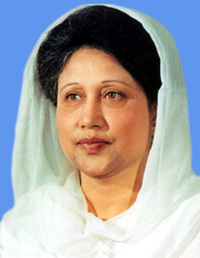

Khaleda Zia Dies at 80: Shocking End to an Era
The passing of Khaleda Zia, the former Prime Minister of Bangladesh and a central figure in the nation’s political landscape, marks a profound moment in the country’s history. At 80, Zia’s death signifies not just the loss of an influential leader, but also an end to an era characterized by tumultuous political strife, complex party dynamics, and social transformation.
Khaleda Zia, born on September 15, 1945, emerged as a prominent political figure following the assassination of her husband, Ziaur Rahman, who served as President of Bangladesh. Ascending to the role of Prime Minister in the early 1990s, she led the country through multiple terms, championing various social and economic reforms. Zia was the first woman to hold the office, breaking barriers in a patriarchal society and inspiring countless women to engage in politics and leadership roles.
Her political career was marked by both significant achievements and controversies, shaping the country’s trajectory. Under her governance, Bangladesh saw the introduction of key policies focused on education and healthcare, alongside a commitment to economic development. However, her tenure was often marred by allegations of electoral fraud and political violence, particularly during her later years in office. The rivalry between her party, the Bangladesh Nationalist Party (BNP), and the Awami League, led by Sheikh Hasina, has fueled decades of strife, often leading to violent confrontations and a polarized society.
Zia’s political journey reflects the complexities of Bangladesh’s socio-political landscape. While lauded for her resilience and tenacity, her legacy is dual-faceted; she is appreciated by many for her contributions to women’s empowerment and economic initiatives, yet criticized for her leadership style and polarizing politics. Her inability to mend relations with rival factions may have contributed to the deepening political instability that marked the latter years of her life.
In recent years, Khaleda Zia faced legal challenges and health issues, spending significant time confined to her home under government restrictions. Despite these challenges, she remained a symbol of opposition against the ruling government, as her supporters rallied for her release and campaign for justice.
Her death signifies a crucial turning point for Bangladesh as the nation grapples with the implications of her absence in the political sphere. The end of her life represents not only a personal loss but a collective moment for a nation that has witnessed the rise and fall of empires and leaders. As the nation reflects on her contributions and controversies, Khaleda Zia’s legacy will undoubtedly continue to shape the discourse of Bangladeshi politics for years to come.
For more details and the full reference, visit the source link below:
Read the complete article here: https://brusselsmorning.com/khaleda-zia-dies-at-80/87387/