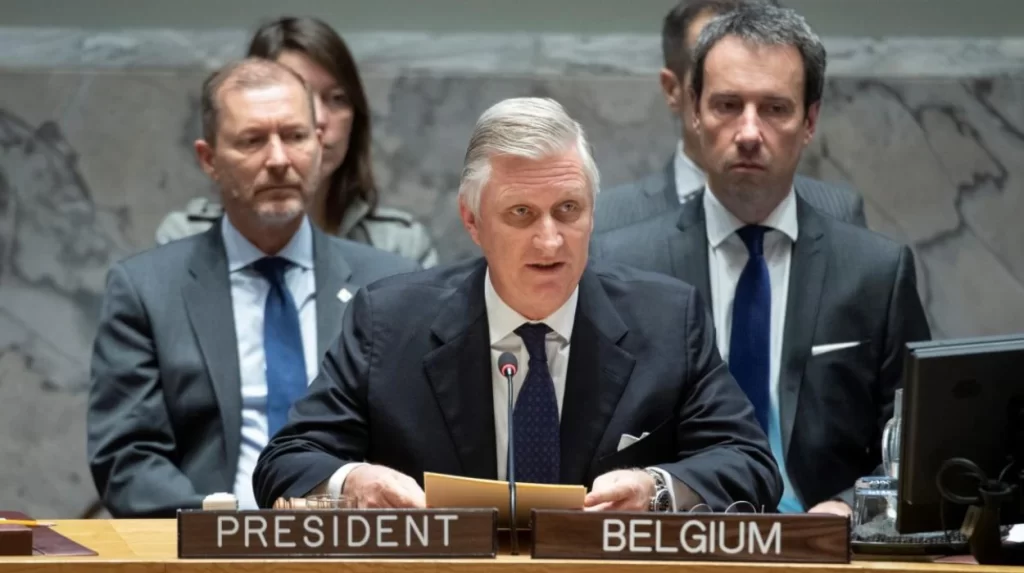

Belgium, a small yet strategically significant nation in Western Europe, plays a pivotal role in global diplomacy and international relations, largely due to its historical legacy, geographical position, and active participation in supranational organizations. This multifaceted role is defined not only by Belgium’s own national interests but also by its commitment to multilateralism and cooperative global governance.
Historically, Belgium emerged as a key player in European and global politics due to its location at the crossroads of Europe. The capital, Brussels, is often referred to as the “capital of Europe,” hosting major institutions such as the European Union (EU) and NATO. This unique position has allowed Belgium to influence decisions that affect not only Europe but also international relations on a broader scale. As a founding member of various international organizations, Belgium has consistently advocated for diplomatic solutions to global challenges, such as peacekeeping, humanitarian assistance, and trade.
Belgium’s diplomatic efforts extend to development cooperation, as the country actively engages in partnerships with developing nations. Belgian aid programs focus on sustainable development, addressing issues such as poverty, education, and health. The nation’s commitment to international development is reflected in its adherence to international frameworks, including the Sustainable Development Goals (SDGs), and by being a significant contributor to humanitarian initiatives worldwide.
In recent years, Belgium has also focused on tackling pressing global issues like climate change, human rights, and security. Through its role in international organizations, Belgium champions a rules-based international order that emphasizes diplomacy over conflict. The Belgian government has proactively engaged in initiatives aimed at promoting peace, such as participating in UN peacekeeping missions and supporting conflict resolution in regions prone to instability.
Furthermore, Belgium’s multicultural and multilingual society enhances its diplomatic endeavors. The nation’s diverse heritage allows it to engage effectively with various cultures and countries, facilitating dialogue and collaboration. This aspect of Belgium’s identity is crucial in its diplomatic strategy, enabling it to act as a mediator and bridge-builder in international affairs.
In conclusion, Belgium’s diplomatic and global role is characterized by its commitment to multilateralism, sustainable development, and peace-building efforts. Through its strategic location, active participation in international organizations, and a strong emphasis on cooperation, Belgium plays a critical role in addressing global challenges, fostering meaningful partnerships, and contributing to a more stable and equitable world. Its influence, while sometimes underestimated due to its size, underscores the importance of small nations in the global arena.
For more details and the full reference, visit the source link below: