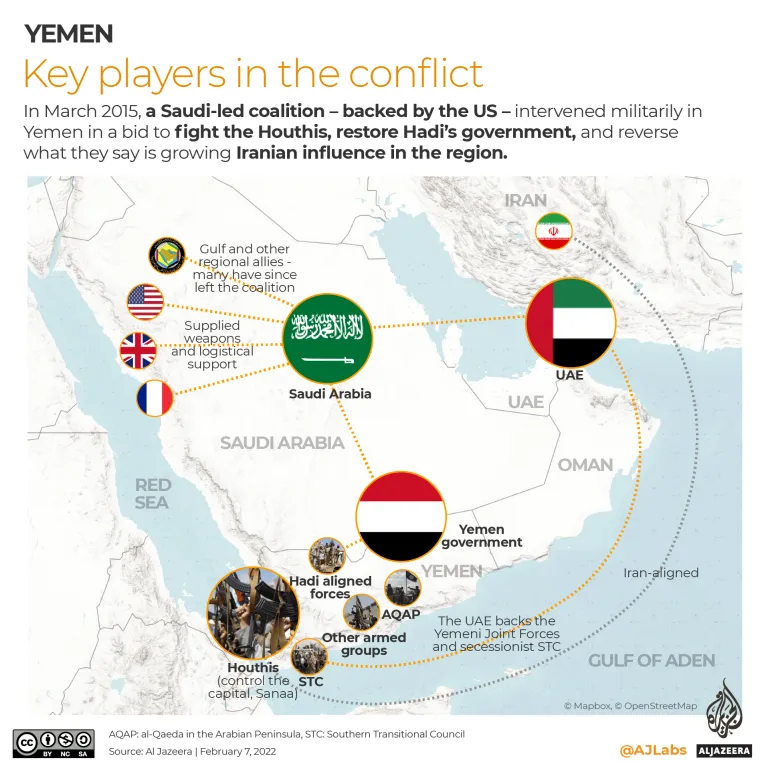

The United Arab Emirates (UAE) has historically played a pivotal role in the complex landscape of Yemen, particularly since the onset of its civil war in 2015. Initially, the UAE positioned itself as a key ally of the Saudi-led coalition aimed at restoring the internationally recognized government, which had been ousted by the Houthi movement. However, the UAE’s involvement has recently taken a dramatic turn, reflecting a recalibration of its foreign policy objectives and regional interests.
In recent months, the UAE has shifted its focus from direct military engagement to fostering political dialogue and supporting localized peace initiatives. This dramatic change is primarily driven by a few critical factors. First and foremost, the protracted conflict has exacted significant human and financial costs. The UAE recognizes that sustaining a military presence in Yemen is no longer viable without risking its international standing and economic stability. Additionally, there is growing recognition that a solely military approach cannot achieve lasting peace. The humanitarian situation in Yemen remains dire, with millions in need of assistance, prompting the UAE to consider a more humanitarian-oriented policy.
Moreover, the evolving geopolitical landscape in the region has also influenced the UAE’s Yemen policy. The normalization of relations with Israel through the Abraham Accords has compelled the UAE to reassess its alliances and engagements in the Middle East. As relations with key global powers, including the United States, undergo transformations, the UAE appears to be prioritizing diplomacy over military intervention in Yemen. The recent UAE-backed dialogues with various Yemeni factions signal an emphasis on inclusive governance solutions that can appeal to diverse regional interests.
In addition, the UAE is increasingly worried about the influence of Iran-backed Houthis in Yemen, which poses a security threat not just to Saudi Arabia but to the broader Gulf region. The shift in policy could be seen as an invitation for negotiations, aiming to curb Iranian influence while also creating a more stable and self-sufficient Yemen.
Furthermore, the UAE’s strategic interests in the Red Sea and the broader Arabian Peninsula are being evaluated in light of this new policy direction. By promoting stability and fostering dialogue, the UAE hopes to create an environment conducive to economic investment and trade, which aligns with its long-term vision for the region.
In conclusion, the UAE’s recent pivot in its Yemen policy represents a significant shift from a focus on military intervention to diplomatic engagement and support for local governance. This change reflects a blend of pragmatic considerations aimed at reducing costs, responding to humanitarian crises, and adapting to the emerging geopolitical realities of the Middle East.
For more details and the full reference, visit the source link below:
Read the complete article here: https://brusselsmorning.com/uae-yemen-policy-shift/87543/