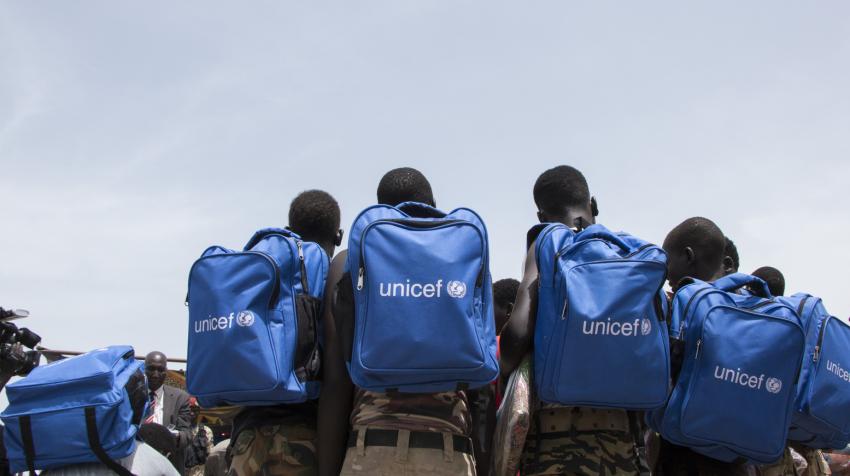

In recent years, the landscape of global humanitarian aid has faced severe challenges, primarily due to significant funding shortfalls encountered by Non-Governmental Organizations (NGOs). These organizations, which are often at the frontline of addressing crises such as natural disasters, armed conflicts, and public health emergencies, are struggling to meet the critical needs of vulnerable populations worldwide.
One major reason for these funding shortfalls is the increasing frequency and intensity of global crises. Disasters caused by climate change, such as floods and droughts, along with ongoing conflicts in regions like Syria, Yemen, and Afghanistan, have led to an overwhelming demand for aid. However, as the number of crises rises, many donor countries are finding it increasingly challenging to allocate sufficient resources. With budget constraints and competing domestic priorities, governments and private donors are often forced to limit their contributions, leaving NGOs to operate with dwindling resources.
This reduction in funding has tangible consequences. NGOs play a pivotal role in providing essential services such as food security, healthcare, education, and shelter to those in need. When funding is inadequate, these organizations must make difficult choices, often leading to program cuts or the inability to respond in a timely manner. For instance, many health programs that aim to combat diseases like malaria and HIV are being scaled back, putting countless lives at risk. Furthermore, as NGOs struggle with financial constraints, they may also compromise on staff training and recruitment, which can result in a diminished capacity to deliver effective aid.
The impact of these funding shortfalls extends beyond immediate service delivery. Inadequate funding diminishes trust in the effectiveness of NGOs among communities, donors, and governments. When programs are cut or delayed, communities may feel abandoned, leading to a loss of confidence in humanitarian efforts. Additionally, fundraising fatigue among donors can contribute to this cycle. As more NGOs vie for limited funds, many organizations might find it increasingly difficult to reach potential benefactors, creating a competitive environment that detracts from collaboration and wider aid coordination.
Addressing these challenges requires a multifaceted approach. Increasing advocacy for sustained international support, fostering partnerships among NGOs and local entities, and exploring innovative funding mechanisms are essential steps toward enhancing aid response capabilities. Recognizing that effective humanitarian response is not just a moral imperative but essential for global stability is crucial. A collective commitment to addressing funding shortfalls can help ensure that NGOs remain equipped to support the world’s most vulnerable populations, ultimately contributing to a more resilient and equitable global community.
For more details and the full reference, visit the source link below:
Read the complete article here: https://brusselsmorning.com/ngo-funding-shortfalls/87757/