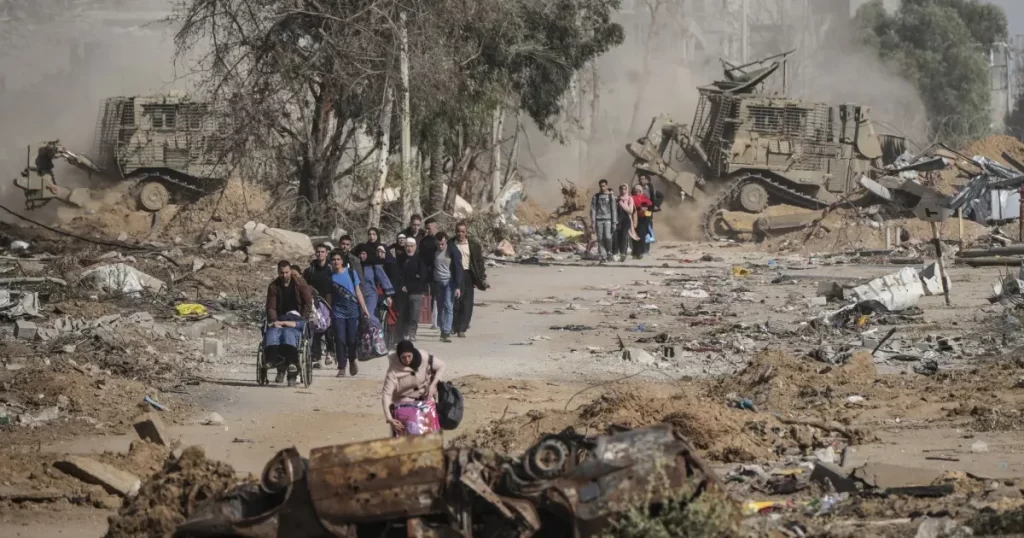

In recent weeks, critical ceasefire talks regarding the ongoing conflict in Gaza have come under intense scrutiny and pressure from various international and regional stakeholders. The urgency for a ceasefire has escalated amid the ongoing humanitarian crisis, with civilians caught in the crossfire bearing the brunt of the violence. As casualties rise and essential services in Gaza disintegrate, the international community’s call for an end to hostilities has become increasingly insistent.
The latest round of negotiations is complicated by a plethora of factors. The entrenched positions of both Israel and Hamas make it challenging to establish common ground. Israel maintains that its military operations are necessary to protect its citizens from rocket attacks, while Hamas argues that it is defending its right to resist occupation. Despite this, global actors, including the United Nations, Egypt, and Qatar, have intensified diplomatic efforts to facilitate dialogue. These nations have taken on mediator roles, attempting to broker peace through backdoor negotiations and public diplomacy.
One significant pressure point is the changing political landscape in the Middle East. The Abraham Accords, which normalized relations between Israel and several Arab countries, have shifted alliances and influenced public perceptions. Countries that once took a staunchly anti-Israel stance are now more inclined to engage diplomatically, creating a complex web of interests that can either help or hinder ceasefire efforts. The ongoing conflict could jeopardize these fragile diplomatic relationships, particularly in nations where public sentiment is overwhelmingly in favor of Palestinian rights.
Humanitarian concerns are at the forefront of these ceasefire talks. The situation in Gaza is dire, with food, medical supplies, and clean water in short supply. The United Nations has reported alarming rates of displacement, with thousands of families forced to flee their homes. Therefore, ensuring immediate humanitarian access has become a priority for negotiators, as failure to address these issues could lead to heightened tensions and renewed violence.
In conclusion, the critical ceasefire talks face formidable challenges amid mounting pressure from various fronts. The necessity for dialogue has never been more urgent, as the humanitarian toll continues to rise. Time is of the essence, and if meaningful progress is not made soon, the consequences could extend beyond Gaza, destabilizing the entire region. As the world watches, the hope remains that diplomacy will prevail, leading to a sustainable ceasefire and paving the way for long-term peace and reconciliation.
For more details and the full reference, visit the source link below:
Read the complete article here: https://brusselsmorning.com/gaza-ceasefire-talks/87794/