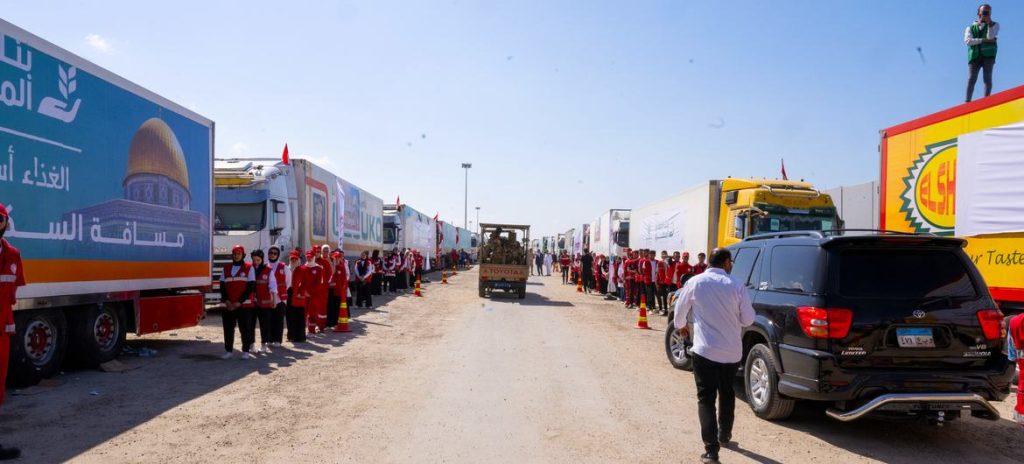

Aid organizations operating in Gaza are confronting increasingly severe restrictions that jeopardize their ability to provide essential services and humanitarian aid. The situation has grown more critical in recent years, driven by a combination of political tensions, enhanced security measures, and a deteriorating economic landscape. The consequences of these restrictions are profound, affecting both the organizations trying to deliver aid and the vulnerable population relying on support.
One significant challenge faced by aid organizations is the blockade that has been in place since 2007. This blockade restricts the movement of goods and people, leading to severe shortages of essential supplies such as food, medical equipment, and construction materials. Humanitarian groups often find themselves navigating complex bureaucratic hurdles just to access basic resources. This often leads to delays in aid delivery and, in many cases, the inability to meet the urgent needs of the population.
Furthermore, the increasing scrutiny and regulation of non-governmental organizations (NGOs) operating in Gaza have made it even more difficult for these entities to function effectively. New restrictions have been implemented that require lengthy approvals for activities, increasing the administrative burden on these organizations. For instance, many NGOs must obtain permits not only from local authorities but also from other governing bodies, complicating their operations. The result is a slowing of aid distribution in a region where rapid response is often critical to saving lives.
Moreover, the local economy continues to be severely impacted by these restrictions. Unemployment rates in Gaza are among the highest in the world, leading to widespread poverty and a lack of basic necessities. Many families struggle to afford food, clean water, and healthcare, relying heavily on the aid provided by various organizations. As these groups face obstacles in their operations, the most vulnerable individuals suffer disproportionately.
The international community has raised concerns over the implications of these restrictions. Many fear that as aid organizations struggle to deliver assistance, the humanitarian crisis in Gaza will worsen. This has led to calls for greater cooperation between aid groups, local authorities, and international bodies to facilitate the flow of aid and help mitigate the dire circumstances faced by Gazans.
In conclusion, the alarming new restrictions imposed on aid organizations in Gaza pose significant threats to the ongoing humanitarian efforts in the region. As these entities navigate the myriad challenges presented by bureaucratic obstacles and the blockade, the need for coordinated action and international support has never been more critical. For the people of Gaza, the delivery of effective humanitarian aid can mean the difference between survival and despair.
For more details and the full reference, visit the source link below:
Read the complete article here: https://brusselsmorning.com/aid-organizations-gaza/87847/