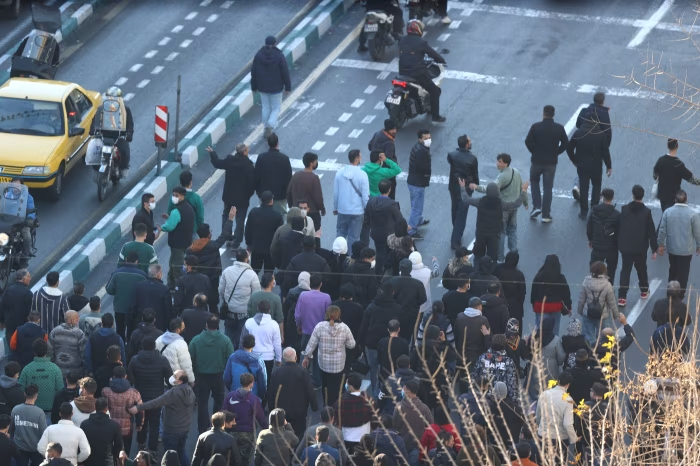

The political landscape in Iran is experiencing unprecedented turmoil as the nation grapples with widespread discontent and a growing crisis that has erupted into nationwide protests. The recent unrest is fueled by a complex combination of economic hardship, social repression, and demands for fundamental political reforms. The Iranian populace, particularly the youth, has mobilized against a backdrop of frustration with governmental policies, corruption, and a lack of personal freedoms, leading to escalating tensions.
The origins of the current crisis can be traced back to deep-seated grievances that have been festering for decades. Economic mismanagement, compounded by international sanctions, has left many Iranians struggling with skyrocketing inflation and high unemployment rates. These hardships have intensified dissatisfaction with the ruling elite, which many perceive as disconnected from the everyday struggles faced by ordinary citizens. In this context, calls for change have reverberated across cities and towns, with protesters demanding accountability and transparency from their leaders.
Socially, the recent protests have highlighted the Iranian government’s authoritarian tendencies. The brutal crackdown on dissenting voices has fostered an atmosphere of fear, yet it has failed to deter a determined populace. Demonstrations have evolved into a broader movement calling for human rights and equality, with women’s rights taking center stage. The tragic death of Mahsa Amini in police custody catalyzed a wave of protests, rallying both men and women to challenge systemic oppression and demand justice.
Internationally, the situation has garnered significant attention, with global powers watching cautiously. The U.S. and European nations have expressed support for the Iranian people’s right to protest, calling for a peaceful resolution and adherence to human rights. On the other hand, the Iranian government has sought to portray the unrest as foreign interference, using it to galvanize support among its base while simultaneously stifling dissent.
As protests continue, the potential for escalation remains high. The government’s harsh response, including arrests and internet blackouts, has fueled further resentment and could lead to a cycle of violence. The road ahead is fraught with uncertainty, as opponents of the regime push for radical change, while the ruling powers attempt to maintain control through repressive measures.
Ultimately, the current political crisis in Iran is emblematic of a society yearning for change and grappling with the challenges of modernization. As the struggle unfolds, it raises critical questions about the future of governance in Iran and the enduring pursuit of freedom and justice amidst adversity. The situation remains dynamic, with each day bringing new developments that could reshape the nation’s political trajectory.
For more details and the full reference, visit the source link below:
Read the complete article here: https://brusselsmorning.com/iran-political-crisis/87973/