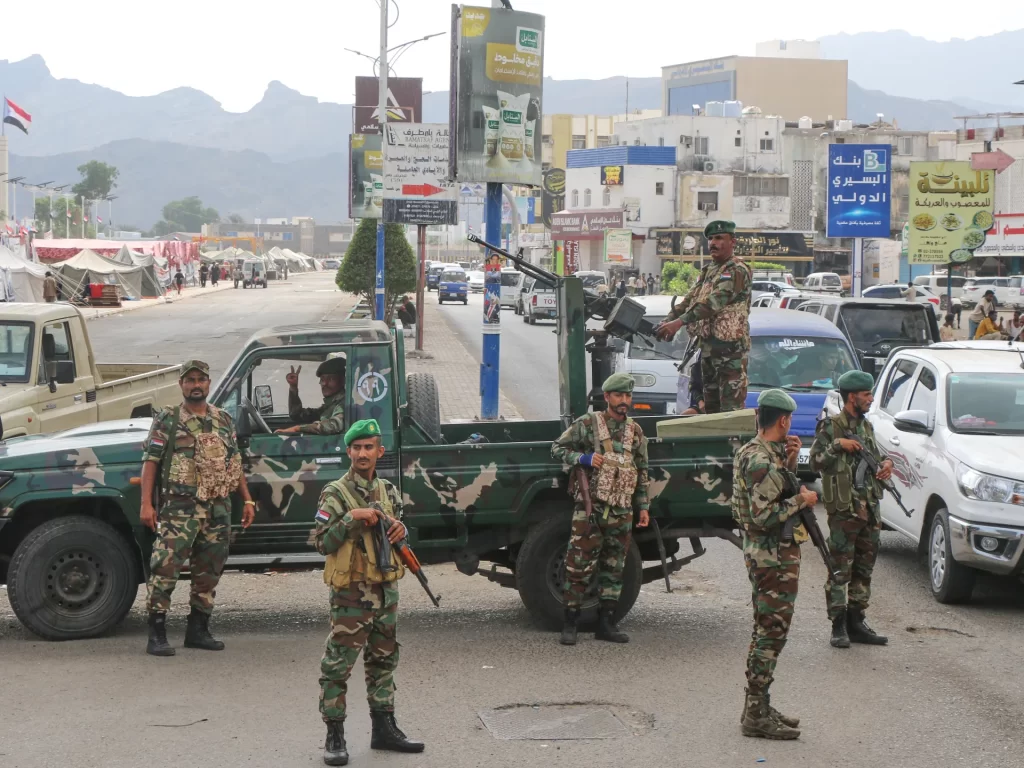

Critical Alert: Middle East Border Tensions Escalate
The geopolitical landscape of the Middle East is once again mired in turmoil as border tensions escalate dramatically, drawing international concern and prompting urgent calls for intervention. Key areas of conflict include the Israel-Palestine border, Lebanon’s volatile northern frontier, and the ongoing strife in Syria, each contributing to a precarious and complex situation that threatens regional stability.
In recent weeks, skirmishes have intensified along the Israel-Palestine border, fueled by political stagnation and societal grievances. Protests, often met with military responses, have morphed into violent confrontations, with both sides suffering casualties. The resurgence of militant factions in Gaza has further complicated peace efforts, as incidents of rocket fire have prompted retaliatory airstrikes from Israel. The cycle of violence is exacerbated by the longstanding absence of viable diplomatic negotiations, leaving civilians caught in a vicious spiral of aggression.
Simultaneously, southern Lebanon presents another flashpoint, where tensions between Hezbollah—a powerful militant group—and Israeli forces have reached dangerous levels. The border area has seen increased military activity, with Hezbollah reportedly mobilizing troops and enhancing its arsenal. In response, Israel has ramped up its defensive measures, conducting aerial surveillance and deploying additional troops to the region. This militarization raises the specter of a broader conflict that could engulf not just the two entities, but the entire region.
In Syria, the ongoing civil war complicates the border dynamics further. As various factions vie for control, the stability of the northern border with Turkey is increasingly tenuous. Reports indicate potential spillover effects as militant groups operate along the border, presenting a threat not only to Syrian sovereignty but also to Turkey’s national security. The involvement of foreign powers adds another layer of complexity, with Russia and the United States engaging in strategic maneuvers that could provoke further hostilities.
International responses to these escalations have varied. The United Nations has expressed concern, calling for restraint and dialogue, but diplomatic efforts often fall flat amidst the escalating violence. Neighboring countries are anxiously watching the developments, with fears that a regional conflict could disrupt trade routes and displace thousands more civilians.
As tensions mount, the humanitarian crisis requires urgent attention. Civilians are paying the price for political failings, with countless lives overshadowed by fear and uncertainty. The escalation of conflicts along Middle Eastern borders is not just a regional concern; it has global implications that require a concerted international response to de-escalate hostilities and foster sustainable peace. The clock is ticking, and the need for dialogue and diplomacy has never been more urgent.
For more details and the full reference, visit the source link below: