
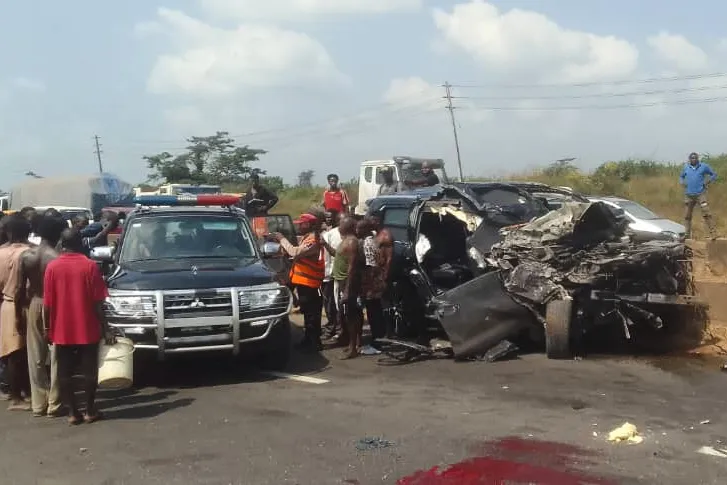

Critical Road Safety Crisis in Nigeria Exposed
Nigeria is facing a profound crisis regarding road safety, one that has far-reaching implications for public health, economic stability, and the overall quality of life. With the nation’s road networks stretching over 200,000 kilometers, a significant number of which are poorly maintained, the alarming rate of traffic accidents has drawn national and international attention.
Statistics reveal the gravity of the issue. According to the Federal Road Safety Corps (FRSC), Nigeria records thousands of fatalities and injuries annually due to road accidents. In recent years, the average has exceeded 10,000 deaths, with countless more sustaining serious injuries. This toll is exacerbated by reckless driving behaviors, such as speeding, driving under the influence, and the neglect of traffic regulations. Many drivers, driven by economic pressures and a lack of enforcement, often disregard the rules of the road, leading to catastrophic outcomes.
One of the major drivers of the crisis is the inadequacy of road infrastructure. Many key highways are riddled with potholes, poorly marked lanes, and insufficient signage, making them hazardous for all users. Urban areas are particularly dangerous. As cities expand rapidly without adequate planning, the infrastructure often fails to keep pace, resulting in confusing layouts and increased traffic congestion. Moreover, the absence of pedestrian-friendly measures forces citizens to navigate precarious conditions.
Corruption and inadequate policing further aggravate the situation. Bribery among law enforcement personnel often leads to blind eye turning when traffic rules are violated. This lack of accountability perpetuates a culture of impunity where drivers feel emboldened to flaunt the law. Furthermore, the government’s investments in road safety education and awareness campaigns have been sporadic at best, leaving a sizeable portion of the population uninformed about safe driving practices.
Addressing the Nigerian road safety crisis requires a multi-faceted approach. The government must prioritize infrastructural improvements, ensuring roads are well-maintained and that urban planning incorporates safety measures. Strengthening the legal framework surrounding traffic laws is equally vital, as strict enforcement coupled with educational campaigns can foster a culture of responsibility among drivers. Investments in public transportation can alleviate congestion and reduce the number of vehicles on the road.
Additionally, collaboration with international road safety organizations could provide valuable insights and resources in formulating effective policies. Only through a concerted effort can Nigeria hope to mitigate its road safety crisis, ultimately protecting lives and fostering a safer, more efficient transportation system. The urgency of this issue cannot be overstated; every life lost on Nigerian roads is a tragedy that could have been prevented.
For more details and the full reference, visit the source link below:
Read the complete article here: https://brusselsmorning.com/road-safety-nigeria/88165/


