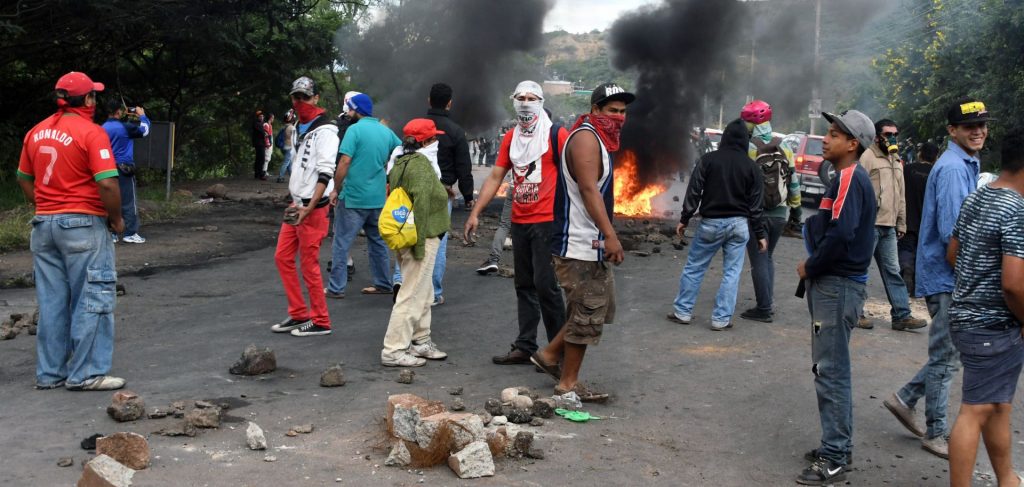

South America has long been a region characterized by vibrant cultures and rich resources; however, it now faces a plethora of challenges that threaten governmental stability. Economic volatility, social inequality, political corruption, and environmental issues are interwoven challenges that demand immediate attention and effective governance.
Economic instability is perhaps one of the most pressing issues confronting South American governments. Many countries in the region, such as Venezuela and Argentina, have experienced hyperinflation, resulting in skyrocketing poverty rates and a loss of public trust in economic systems. This instability often leads to widespread protests and civil unrest, as citizens demand better living conditions and government accountability. The economic crises are often compounded by reliance on single commodities, leaving nations vulnerable to global market fluctuations.
Social inequality is another critical factor contributing to instability. In many South American countries, wealth is disproportionately concentrated in the hands of a select few, leaving large segments of the population marginalized. This disparity fuels resentment and dissatisfaction, particularly among younger generations who seek greater opportunities and representation. The social fabric is further strained by issues of race and ethnicity, where indigenous populations often experience systemic discrimination, exacerbating feelings of exclusion and desperation.
Political corruption remains a significant impediment to stability. Scandals involving high-ranking officials have eroded public trust in institutions and hindered effective governance. In nations like Brazil, corruption investigations have led to the downfall of influential leaders, creating political vacuums and power struggles that destabilize entire governments. This atmosphere of distrust not only complicates the policy-making process but also opens avenues for authoritarian tendencies, undermining democratic norms and civility.
Additionally, environmental challenges contribute to the instability in South America. The region is rich in biodiversity and natural resources, yet exploitation often leads to ecological degradation and conflicts over land use. Issues such as deforestation in the Amazon Rainforest not only threaten the environment but also displace indigenous communities, igniting further social discord. Climate change exacerbates these tensions, leading to unpredictable weather patterns that can decimate agricultural production and elevate food insecurity.
In conclusion, the challenges facing South American governments are complex and multifaceted. Economic instability, social inequality, political corruption, and environmental degradation create a perfect storm that threatens the stability of the entire region. Addressing these issues requires coordinated efforts from both governments and civil society, alongside international cooperation, to create sustainable solutions that foster equitable growth and ensure the well-being of all citizens.
For more details and the full reference, visit the source link below:
Read the complete article here: https://brusselsmorning.com/south-america-instability-2026/89021/