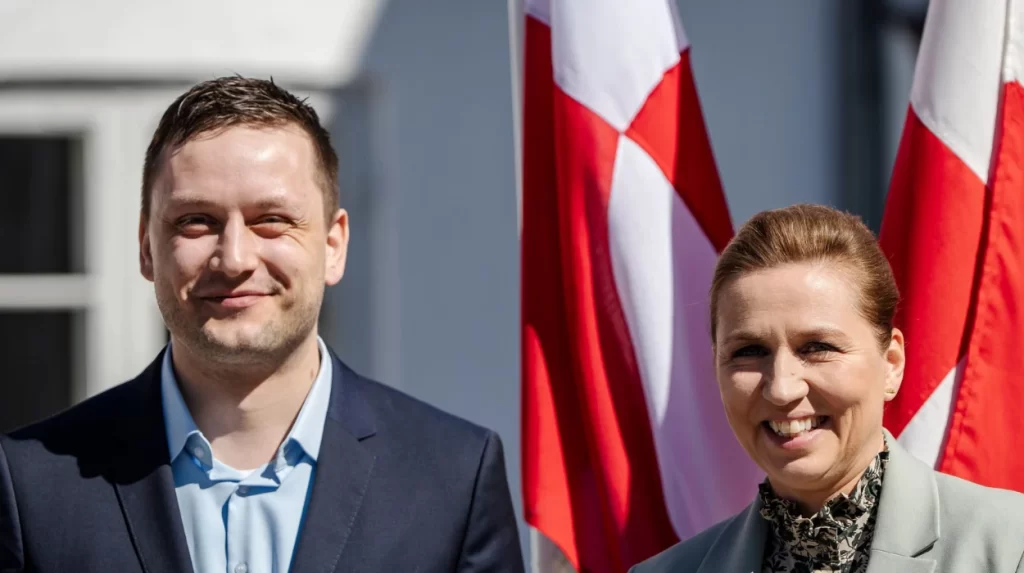

In the summer of 2019, former U.S. President Donald Trump’s suggestion to purchase Greenland raised eyebrows and sparked diplomatic tensions, particularly in Denmark. His whimsical proposal not only highlighted the geopolitical significance of Greenland, strategically located between North America and Europe, but also posed a potential threat to the NATO alliance as a whole.
Denmark, the sovereign state of Greenland, was taken aback by Trump’s public remarks. The notion of acquiring Greenland was dismissed as absurd by Danish Prime Minister Mette Frederiksen, who described the idea as “absurd” and emphasized the historical bonds and self-governance of Greenland. This incident ignited concerns about the U.S.-Denmark relationship and broader NATO dynamics, with implications for security and cooperation among member states.
The uncertainty surrounding Trump’s foreign policy approach, characterized by an ‘America First’ mentality, had already caused unease among NATO allies. The proposal to buy Greenland was perceived not merely as a clumsy diplomatic faux pas; it symbolized a potential shift in U.S. commitment to NATO and the transatlantic alliance. Denmark, a relatively small nation but a committed member of NATO, worried that such unpredictability could embolden adversaries and destabilize an already complex security landscape in the Arctic.
NATO is built on mutual trust, cooperation, and collective defense. Denmark plays a crucial role in this framework, possessing strategic geographic advantages, particularly in the Arctic and North Atlantic regions. The implications of Trump’s suggestion led Danish officials to emphasize the need for solidarity within NATO, urging member countries to reinforce their commitments to mutual defense. They warned that alienating allies or allowing geopolitical whims to dictate relationship dynamics could weaken the alliance’s overall effectiveness.
Furthermore, the Arctic’s significance is growing due to climate change, leading to new shipping routes and potential resource extraction. This increasing interest from global powers underscores the necessity of stable alliances. Danish officials raised alarms about potential adversarial moves if trust among NATO allies eroded. They cautioned that a lack of unified response could embolden nations like Russia to assert claims in the Arctic region, complicating security dynamics.
In light of these developments, Denmark’s warning served as a clarion call for NATO member states to reinforce their commitment to the alliance. Solidarity is vital in an unpredictable global landscape, where challenges to security and territorial integrity require collective resolve. Denmark’s experience underscores the delicate balance of international relations and the importance of maintaining strong alliances, particularly in an era of shifting geopolitical allegiances and emerging threats.
For more details and the full reference, visit the source link below: