
Revealed: The Impact of Fear Culture in Venezuela by 2026
As Venezuela approaches 2026, the pervasive culture of fear that has gripped the nation over the last few years continues to leave deep scars on its social fabric. The fears stem from political instability, economic collapse, and rampant crime, shaping the lives and psyche of Venezuelans in profound ways.
The political landscape in Venezuela has been marked by authoritarianism and repression, particularly under the regime of Nicolás Maduro. The government’s attempts to stifle dissent have led to widespread fear among the populace. Arbitrary arrests, violence against protesters, and censorship of media outlets contribute to an atmosphere where expressing dissent is fraught with danger. By 2026, this climate of fear has resulted in a society that is reluctant to voice opposition, stifling the much-needed discourse for progress and reform.
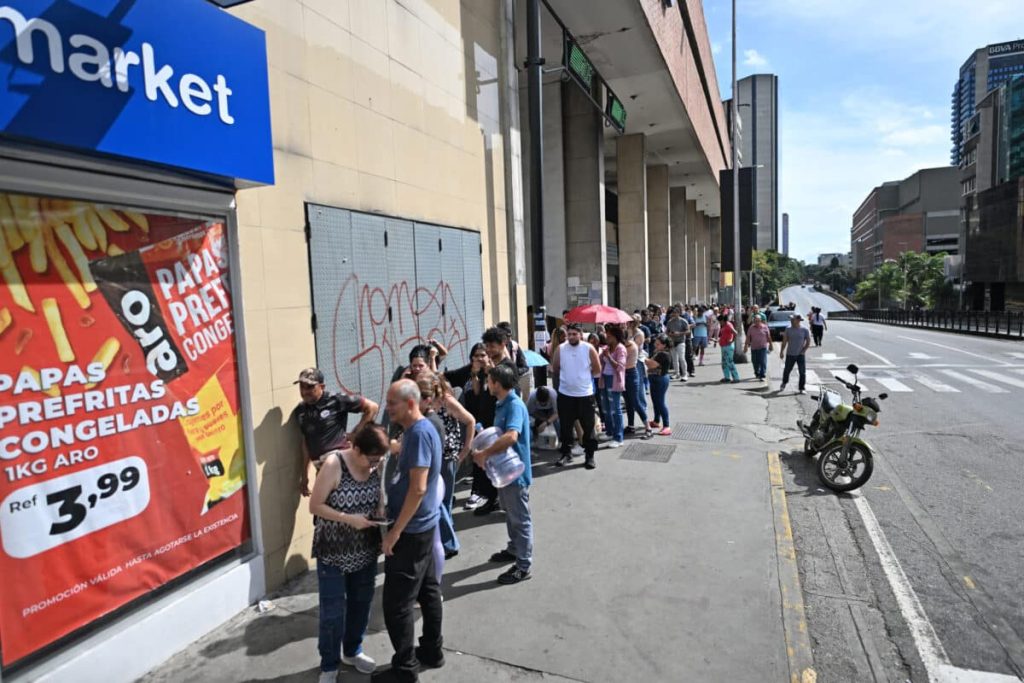
Economically, Venezuela is in a state of crisis, characterized by hyperinflation and severe shortages of basic goods. The fear of economic instability exacerbates the anxieties of the citizens, who are often unable to provide for their families. In this environment, prioritizing basic survival becomes a daily struggle, leading to mistrust among community members. Individuals are less likely to assist one another when their own survival is at stake—creating a ripple effect of isolation and despair.
Moreover, the rising rates of crime have compounded the fear culture. With the breakdown of law and order, citizens fear for their safety in every facet of life, leading to self-imposed isolation. People often avoid public spaces, limiting social interaction and community engagement. As a result, the sense of community—once a cornerstone of Venezuelan life—has eroded, leading to a further deepening of societal fragmentation.
Psychologically, the culture of fear has significant implications. Reports indicate increasing rates of anxiety, depression, and post-traumatic stress among the population. The constant state of alertness fosters chronic stress, impacting mental health and overall well-being. Children growing up in this environment face the risk of developing a worldview shaped by insecurity and mistrust, further perpetuating the cycle of fear into future generations.
By 2026, the implications of this fear culture are likely to manifest in various ways. While many citizens adapt by becoming more resilient, the pervasive fear stifles innovation and optimism for a better future. This culture doesn’t just hinder personal growth; it stymies potential collective action that could lead to significant social change.
In conclusion, the impact of fear culture in Venezuela by 2026 is multifaceted, affecting political expression, economic stability, community cohesion, and individual mental health. Addressing these concerns requires a concerted effort to foster open dialogue, restore trust, and ultimately, cultivate a culture of hope rather than fear.
For more details and the full reference, visit the source link below:
Read the complete article here: https://brusselsmorning.com/venezuela-fear-culture-2026/89543/