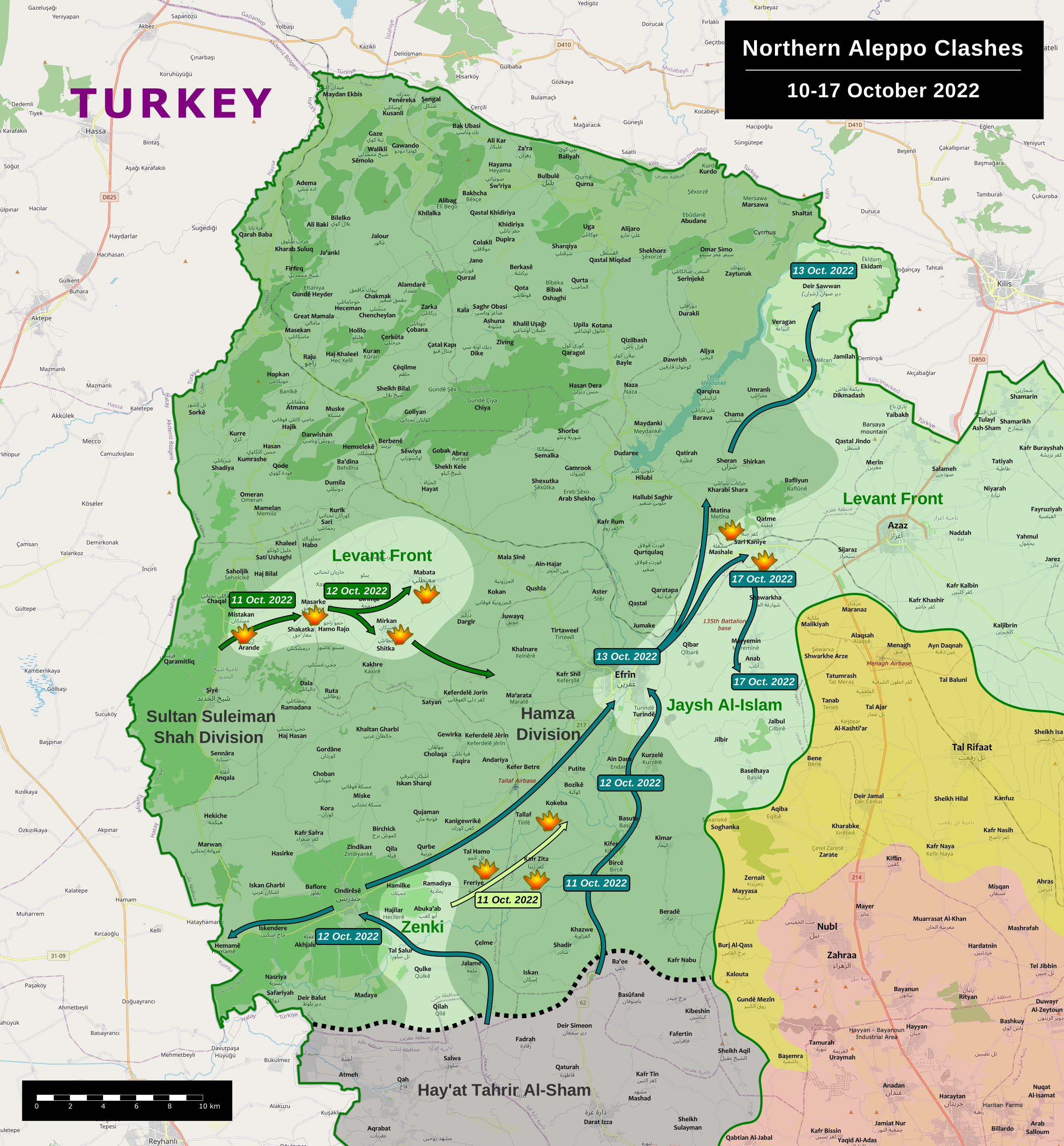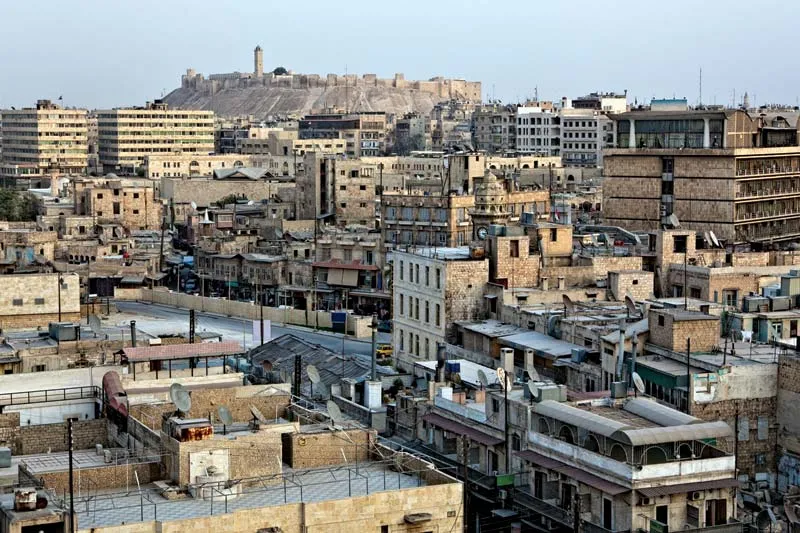

In 2026, the Aleppo Crisis emerged as one of the most pressing humanitarian challenges, prompting a powerful diplomatic push to mediate and resolve longstanding conflicts in the region. The city of Aleppo, once a bustling center of culture and commerce in Syria, was left in ruins following years of civil war. The escalation of violence not only resulted in significant loss of life but also displaced millions, drawing global attention to the dire humanitarian conditions.
Recognizing the urgency of the situation, a coalition of nations and international organizations came together to spearhead a comprehensive diplomatic initiative aimed at fostering dialogue among conflicting parties. The United Nations played a pivotal role, convening peace talks that included not only Syrian government representatives but also various opposition groups and civil society representatives. The inclusion of grassroots organizations was crucial, as local voices often highlight the humanitarian needs that may be overlooked in top-level negotiations.
The diplomatic efforts focused on a multi-faceted approach that addressed not only immediate ceasefire agreements but also long-term plans for infrastructure rebuilding, economic stability, and reconciliation processes. Mediators emphasized the importance of establishing a monitoring system to ensure adherence to any agreements reached, thereby building trust among participants.
Additionally, humanitarian aid was a key element of the mediation. The crisis had resulted in widespread food and medical shortages, and the negotiating parties recognized the need for immediate, coordinated action to alleviate suffering. International aid organizations played a critical role in delivering assistance, emphasizing that humanitarian access should be prioritized irrespective of political divisions.
In a groundbreaking move, the 2026 efforts also saw the involvement of regional players, fostering an environment of collective responsibility. Neighboring countries, having witnessed the spillover effects of the conflict, were encouraged to support peace-building initiatives. This regional collaboration was crucial in ensuring the legitimacy and sustainability of any agreements reached.
The diplomatic push culminated in a series of accords that established a framework for ceasefire, humanitarian access, and a roadmap for political transition. While skepticism remained regarding the willingness of conflicting parties to adhere to agreements, the momentum generated by international cooperation provided a glimmer of hope.
The Aleppo Crisis mediation efforts of 2026 exemplified the potential of diplomacy in resolving complex conflicts. Through the concerted efforts of nations and organizations dedicated to peace, a pathway was forged toward rebuilding war-torn communities and ultimately, a reconciliation that reflected the aspirations of the Syrian people. As fragile as the peace was, the diplomatic push demonstrated that dialogue and collaboration remain essential tools in the struggle for stability and human dignity.
For more details and the full reference, visit the source link below:
Read the complete article here: https://brusselsmorning.com/aleppo-crisis-mediation/89659/