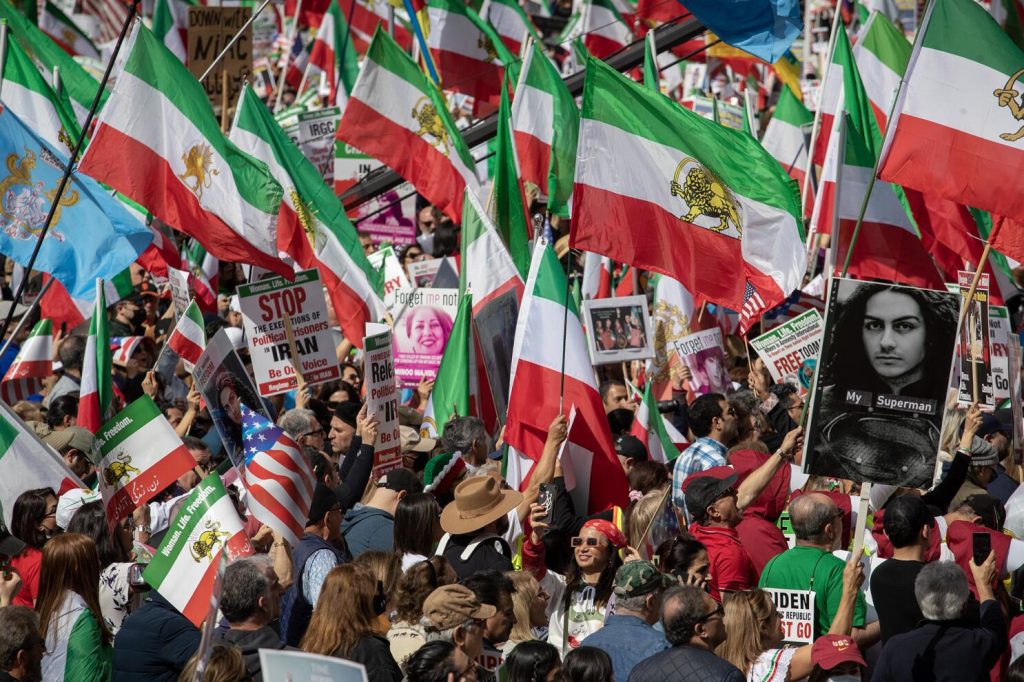

The political landscape in Iran, particularly in Tehran, has reached a critical juncture in 2026, marked by a potent mix of discontent, activism, and governmental pushback. The unrest was initially sparked by systemic issues, including widespread economic hardship, allegations of government corruption, and a desire for greater political freedoms. The Iranian populace, particularly the youth, has become increasingly vocal about their grievances, echoing demands for accountability and reform.
The 2026 protests signify a broader movement that has been brewing for years. Social media played a crucial role in mobilizing demonstrators, allowing for rapid dissemination of information and rallying support across various demographics. This mobilization has been particularly pronounced in urban centers, where the younger population—a demographic that accounts for a significant portion of Iran’s citizens—seeks greater representation and rights. High unemployment rates and inflation have fueled the dissatisfaction, making the economic situation a focal point for activists advocating for change.
Government responses have varied, oscillating between attempts at dialogue and brutal crackdowns. In recent months, security forces have been deployed to quell demonstrations, leading to violent clashes in Tehran’s streets. Reports of arrests and human rights abuses have drawn international condemnation, which in turn has strained Iran’s diplomatic relationships and incited further unrest. The government’s selective internet shutdowns during protests highlight its awareness of the power of connected grassroots movements.
Internal divisions within the ruling elite complicate the situation. Moderate factions seeking to implement reforms find themselves at odds with hardliners resistant to any significant change. These tensions contribute to a landscape of uncertainty, as the populace grapples with fluctuating messages from those in power. Many citizens express frustration over the lack of coherent leadership and vision that could address their needs effectively.
International dynamics also influence the unrest. Economic sanctions imposed by foreign powers have exacerbated local grievances and fueled nationalist sentiments against perceived external interference. Tehran’s strategic geopolitical role adds layers to its instability, with regional tensions spilling over into domestic affairs and further complicated by powerful global interests.
As the political unrest in Tehran continues to evolve, the future remains uncertain. The resilience of the protest movement speaks to a profound yearning for change, one that is challenging the status quo. In this climate, the balance between suppression and reform will be vital in determining whether Iran can navigate through this critical juncture peacefully, or if it will descend into deeper chaos. The eyes of the world remain focused on Tehran, as the repercussions of this internal strife could reverberate far beyond its borders.
For more details and the full reference, visit the source link below:
Read the complete article here: https://brusselsmorning.com/iran-political-unrest-tehran-2026/89833/