
Critical Venezuela Oil Blockade Escalates in 2026
In 2026, the ongoing oil blockade against Venezuela intensified, exacerbating an already dire humanitarian and economic crisis in the country. Venezuela, once one of the world’s richest nations due to its vast oil reserves, has seen its economy crumble under the weight of political mismanagement, corruption, and the externally imposed sanctions. The blockade, which had been in place for several years, escalated significantly as international relations deteriorated.
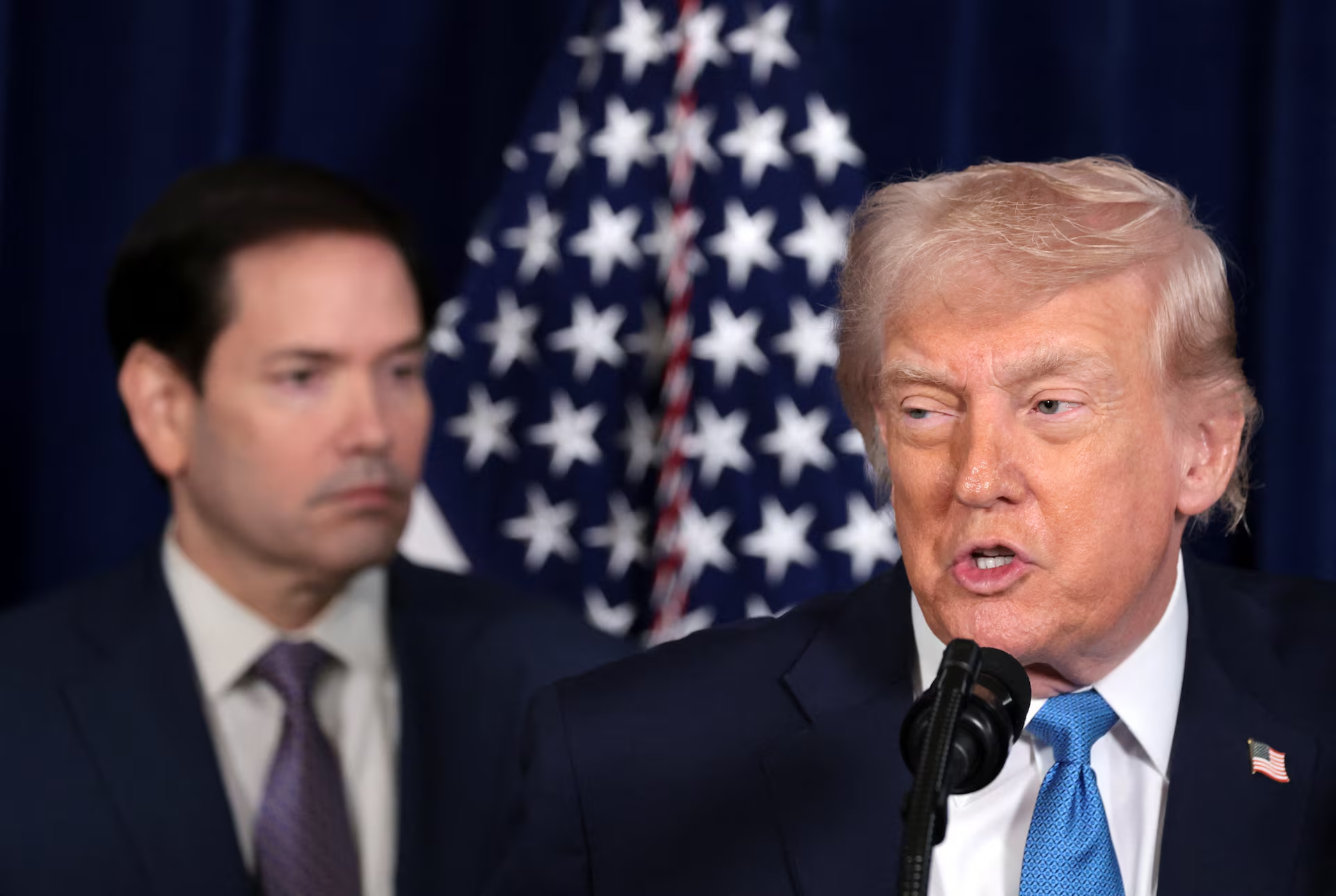
The situation became critical as major oil-producing nations rallied to enforce stricter sanctions aimed at crippling the Maduro administration’s revenue streams. With oil accounting for over 90% of Venezuela’s export earnings, the blockade significantly reduced the country’s access to its primary source of income. The international community, led by the United States, sought to cut off funds flowing to the Maduro regime, which was accused of numerous human rights abuses and undermining democracy.
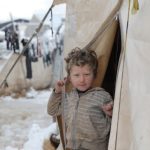
As the blockade tightened, Venezuela faced an alarming shortage of essential goods, including food, medicine, and fuel. The impact of the sanctions led to a humanitarian disaster, with millions of Venezuelans suffering from malnutrition and a dire lack of medical care. Reports indicated that hospitals were unable to function due to a lack of supplies, and many patients were turned away. As a result, the country saw an increase in preventable diseases and a dramatic rise in mortality rates.
Meanwhile, the Maduro government attempted to circumvent the blockade by seeking alliances with other countries, such as China and Russia, in hopes of stabilizing the economy. In 2026, however, their efforts were met with mixed results, as these nations were constrained by their own geopolitical considerations. Despite attempts to sell oil through clandestine networks, the financial ramifications of the blockade lingered, and the Venezuelan currency continued to plummet, exacerbating inflation.
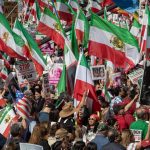
The domestic political landscape also shifted amidst this turmoil. A coalition of opposition groups gained momentum as public dissatisfaction grew. Citizens, increasingly emboldened by the dire conditions, began organizing protests demanding change. The calls for democratic reforms echoed louder as the dire living conditions became untenable.
International organizations and NGOs called for a reconsideration of the blockade, arguing that while the need to confront the Maduro regime was vital, the humanitarian implications must be taken into account. As Venezuela faced one of its most critical junctures, the need for dialogue and a potential political solution grew increasingly urgent. The world watched closely, as the future of Venezuelan society hung in the balance, caught in a web of geopolitical strife and economic desperation.
For more details and the full reference, visit the source link below: