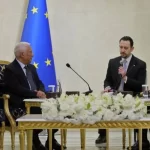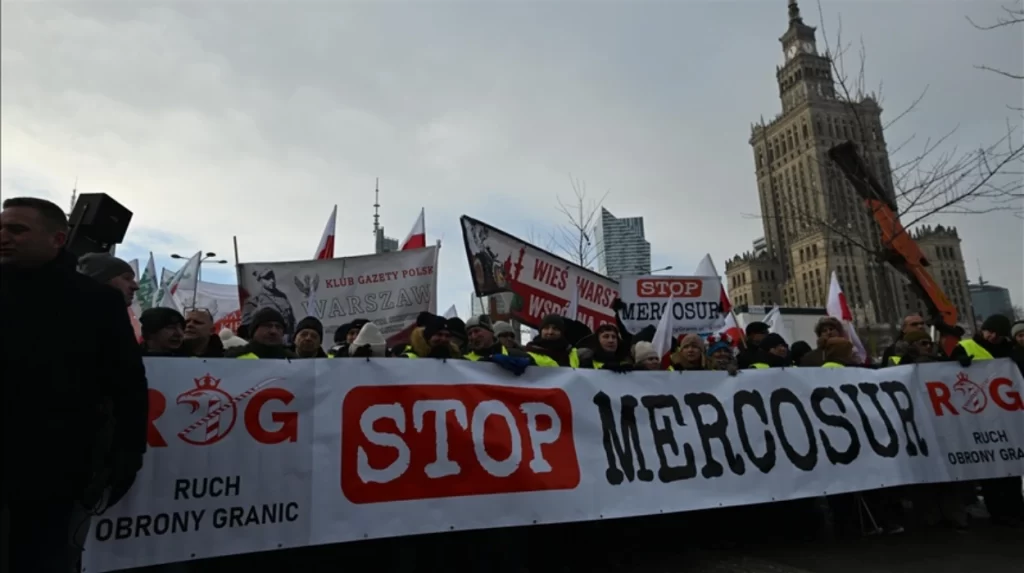

The European Union (EU) recently expressed significant progress in advancing the long-anticipated trade agreement with the Mercosur bloc, comprising Argentina, Brazil, Paraguay, and Uruguay. After years of negotiations and deadlocks primarily due to concerns over environmental standards, labor rights, and the impact on European farmers, this renewed backing reflects a strategic shift that underscores the EU’s commitment to deepening economic ties with South America.
The Mercosur-EU agreement, initially proposed in 1999, is one of the largest trade deals in history, promising to facilitate trade and investment across both regions. By lowering tariffs and streamlining regulations, it aims to enhance mutual trade flows, benefiting businesses and consumers alike. EU officials assert that harmonizing trade relations with Mercosur countries can open up numerous opportunities for European firms, particularly in sectors like automotive, chemicals, and pharmaceuticals. Conversely, Mercosur nations are keen on exporting agricultural products such as beef, chicken, and soy beans to European markets, bolstering their economies.
One of the pivotal issues that stalled the agreement for years was the EU’s apprehension about the environmental impact of increased agricultural production in South America. Ongoing deforestation in the Amazon rainforest, primarily driven by cattle ranching and soybean production, raised alarms among EU policymakers regarding sustainability and climate commitments. To address these concerns, recent negotiations have integrated sustainability clauses, ensuring that environmental protections are firmly embedded in the trade agreement.
Additionally, labor rights have been a focal point in negotiations. The EU has pushed for commitments to uphold labor regulations and protect workers’ rights in Mercosur countries, aligning with its broader vision of maintaining social standards in international trade agreements. This not only promotes fair working conditions but also enhances the reputation of EU products in global markets, where ethical sourcing is increasingly important to consumers.
The resumption of the pact’s momentum also reflects geopolitical considerations. As global trade dynamics shift, strengthening relations with the Mercosur bloc allows the EU to assert its presence in the South American market amidst rising influence from the United States and China. Diversifying trade relationships is crucial for the EU as it seeks to minimize dependencies and increase resilience in an unpredictable global landscape.
In summary, the EU’s renewed support for the Mercosur trade agreement signals a significant advancement after a long period of negotiations fraught with challenges. The deal holds the potential to reshape economic relations between two major regions while addressing pressing issues like environmental sustainability and labor rights, ultimately fostering a more balanced and equitable global trade environment.
For more details and the full reference, visit the source link below: