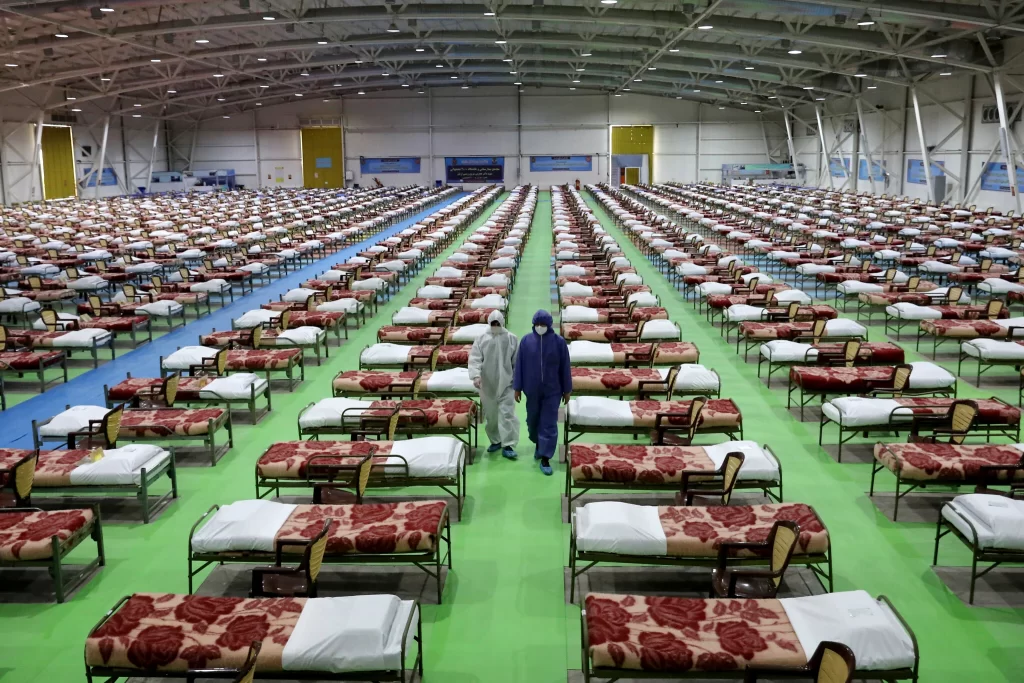

In 2026, Tehran finds itself grappling with an escalating crisis within its healthcare system, particularly in hospitals. This worsening situation is the result of a combination of factors, including a persistent shortage of medical supplies, insufficient funding, and an overwhelming patient influx exacerbated by economic instability and public health challenges.
As the capital of Iran, Tehran’s hospitals serve a diverse population, resulting in a significant burden on healthcare facilities. Over the past few years, compounded by international sanctions and the ongoing economic downturn, these institutions have struggled to maintain adequate levels of resources, leading to critical shortages of essential medications, equipment, and even staff. Many hospitals report that they operate with insufficient supplies, compelling medical professionals to make difficult decisions about patient care.
The economic crisis has also had a profound impact on the healthcare workforce. Many healthcare workers have left the profession or sought opportunities abroad, driven by low wages and unsafe working conditions. Those who remain face overwhelming workloads, often treating a staggering number of patients in a single shift. This situation has led to burnout among medical staff, further diminishing the quality of care that hospitals can provide.
In addition to these systemic issues, recent public health crises, including outbreaks of infectious diseases, have put further strain on Tehran’s hospitals. The COVID-19 pandemic remains a vivid reminder of vulnerabilities in the healthcare system. Although the immediate threat from the virus has receded, its aftermath continues to affect hospital operations, with lingering patient cases and long COVID complications diverting attention and resources away from other critical health needs.
Public protests have emerged in response to the healthcare crisis, with citizens demanding better access to medical care and improved living conditions. Demonstrators express their frustration over the government’s inability to prioritize health services in the face of rising inflation and deteriorating economic conditions. The situation has prompted calls for significant reform in the healthcare sector, advocating for better funding and resource allocation.
As conditions worsen, the repercussions extend beyond hospital walls. People are increasingly turning to private clinics for treatment, a move that underscores socioeconomic disparities in healthcare access. The inability of public hospitals to accommodate all patients is creating a two-tier system, where only those who can afford private care receive timely treatment.
In conclusion, the healthcare crisis in Tehran is a multifaceted problem that demands urgent attention from policymakers. Without significant intervention, the continued decline of hospital services threatens not only the health of individuals but also the overall stability of the Iranian healthcare system.
For more details and the full reference, visit the source link below:
Read the complete article here: https://brusselsmorning.com/iran-hospitals-crisis-tehran-2026/89959/