
In recent years, Greenland has emerged as a focal point in geopolitical discussions, particularly regarding US interests in the Arctic. The combination of its strategic location and vast natural resources has attracted the attention of global powers, prompting speculation about its future. As we move toward 2026, the dynamics surrounding Greenland are poised for significant shifts, especially in light of threats facing the region.
The United States sees Greenland as critical not only for its proximity to the Arctic but also for its potential military applications. The melting ice in the Arctic creates new shipping routes and access to untapped resources, which could become pivotal for nations looking to secure their economic and strategic interests. Recent military activities and basing agreements highlight the importance the US places on Greenland as a buffer against Russian expansionism and as a launchpad for Arctic operations.
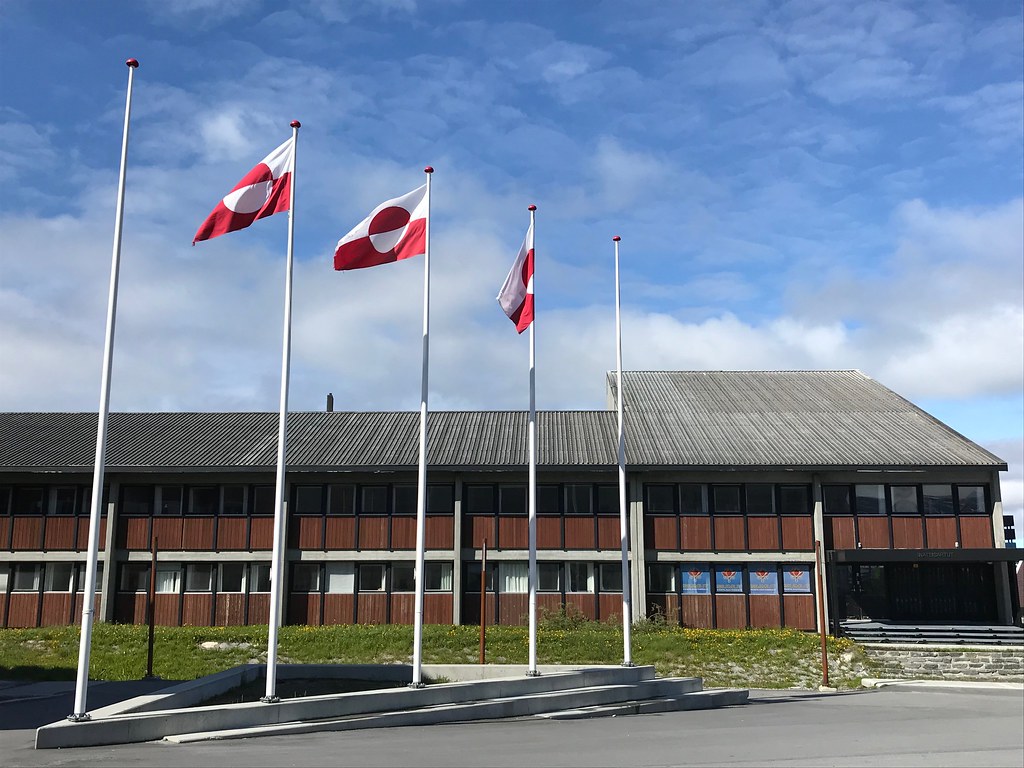
In response to these growing concerns, the Greenlandic parliament has experienced a significant shift in political sentiment. Traditionally, the relationship between Greenland and Denmark, its colonial power, has been fraught with complexities. However, as the Arctic landscape evolves, there is a renewed emphasis within Greenland to assert its autonomy and manage its own resources while contending with external pressures.
The proactive stance of Greenland’s parliament reflects a burgeoning interest in self-determination. There is an increasing awareness that Greenland’s resources, including rare earth minerals and oil, can make it an economic powerhouse if managed responsibly. This momentum has led to discussions about negotiating new agreements with foreign powers, particularly the United States, that prioritize Greenland’s sovereignty and benefit.
However, this critical parliament shift does not come without challenges. The regional political landscape is tense, driven by competing interests from major powers such as the US, China, and Russia. As Greenland positions itself as a vital player in this geopolitical chess game, it must navigate the delicate balance of attracting foreign investment while maintaining its cultural identity and independence.
The year 2026 promises to be a transformative period for Greenland, marked by heightened international attention and potential political upheaval. The decisions made by its parliament in the face of US interests and other external pressures will shape the future of this Arctic territory. As global warming continues to alter the region, Greenland’s strategic value is likely to increase, presenting both opportunities and threats that will require careful diplomacy and robust leadership. The future of Greenland, at this crossroads, will fundamentally hinge on how it balances its own aspirations against the geopolitical ambitions of powerful nations.
For more details and the full reference, visit the source link below: