
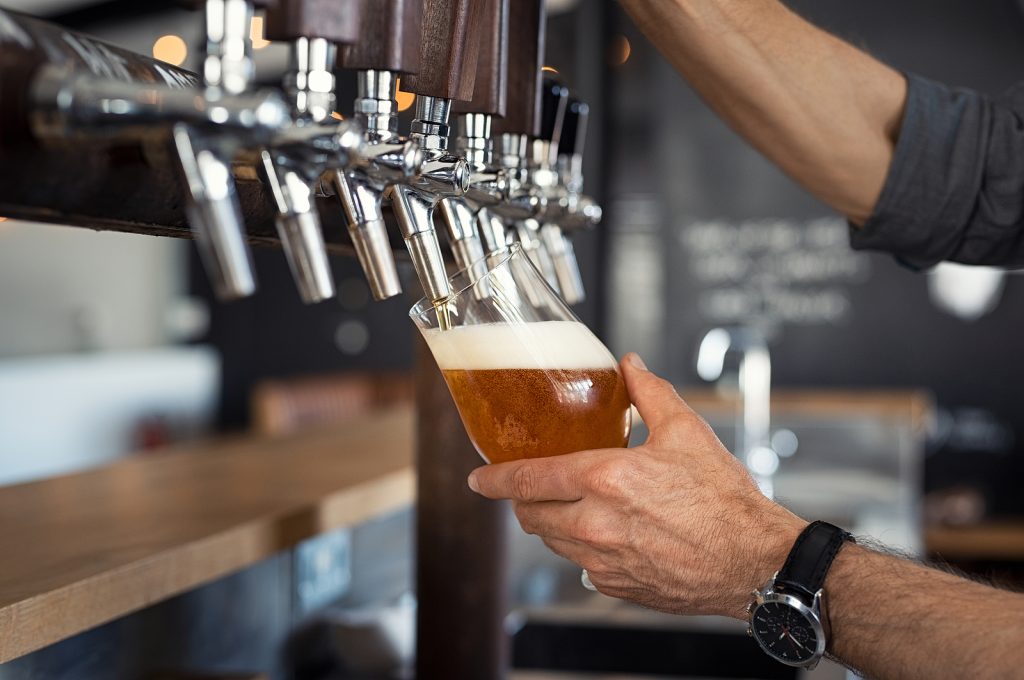

Serving alcohol in a restaurant can enhance the dining experience, but it also comes with significant liability risks. To mitigate these risks and ensure a safe environment for patrons and staff, restaurant owners can implement several strategies:
1. Staff Training
One of the most crucial steps in reducing liability is investing in staff training. Ensure that your team is well-versed in responsible alcohol service practices. Training programs like TIPS (Training for Intervention Procedures) or ServSafe Alcohol can equip your staff with the knowledge to recognize signs of intoxication, understand the importance of ID checks, and manage difficult situations effectively. Empowering employees to make responsible decisions can help prevent overserving and potentially dangerous situations.
2. Strict ID Policies
Implementing a robust ID policy is vital. Always ask for identification from anyone who appears to be underage or intoxicated. Consider using technology like ID scanners to verify the authenticity of IDs. This can help eliminate staff errors and ensure compliance with local laws, significantly reducing liability risks associated with underage drinking.
3. Limit Volume and Specials
Controlling the quantity of alcohol served can greatly diminish liability concerns. Consider limiting the volume of drinks in a single serving or implementing drink specials that discourage excessive consumption. For instance, avoid unlimited drink specials or “bottomless” options, which can lead to binge drinking.
4. Encourage Responsible Drinking
Promote responsible drink choices by offering food alongside alcohol and advertising low-alcohol options. Small plates or appetizers that pair well with drinks can slow consumption and provide patrons with necessary sustenance.
5. Designated Driver Promotions
Encourage guests to plan for safe transportation home by offering designated driver programs. Incentives such as complimentary non-alcoholic drinks for designated drivers can motivate patrons to think about their safety before consuming alcohol.
6. Monitor Guest Behavior
Staff should actively watch for signs of intoxication among guests. If someone appears overly drunk or disruptive, it’s crucial to handle the situation sensitively but firmly. Have a protocol in place for safely managing guests who may need assistance, ensuring everyone remains safe.
7. Document Incidents
Finally, maintain thorough documentation of any incidents involving alcohol. This includes recording any overserving, guest complaints, or accidents. Having a detailed account can protect your establishment in case of legal disputes.
By implementing these strategies, restaurant owners can create a safer environment that reduces liability risks associated with serving alcohol, ensuring that patrons enjoy their experience while safeguarding the establishment’s future.
For more details and the full reference, visit the source link below:


