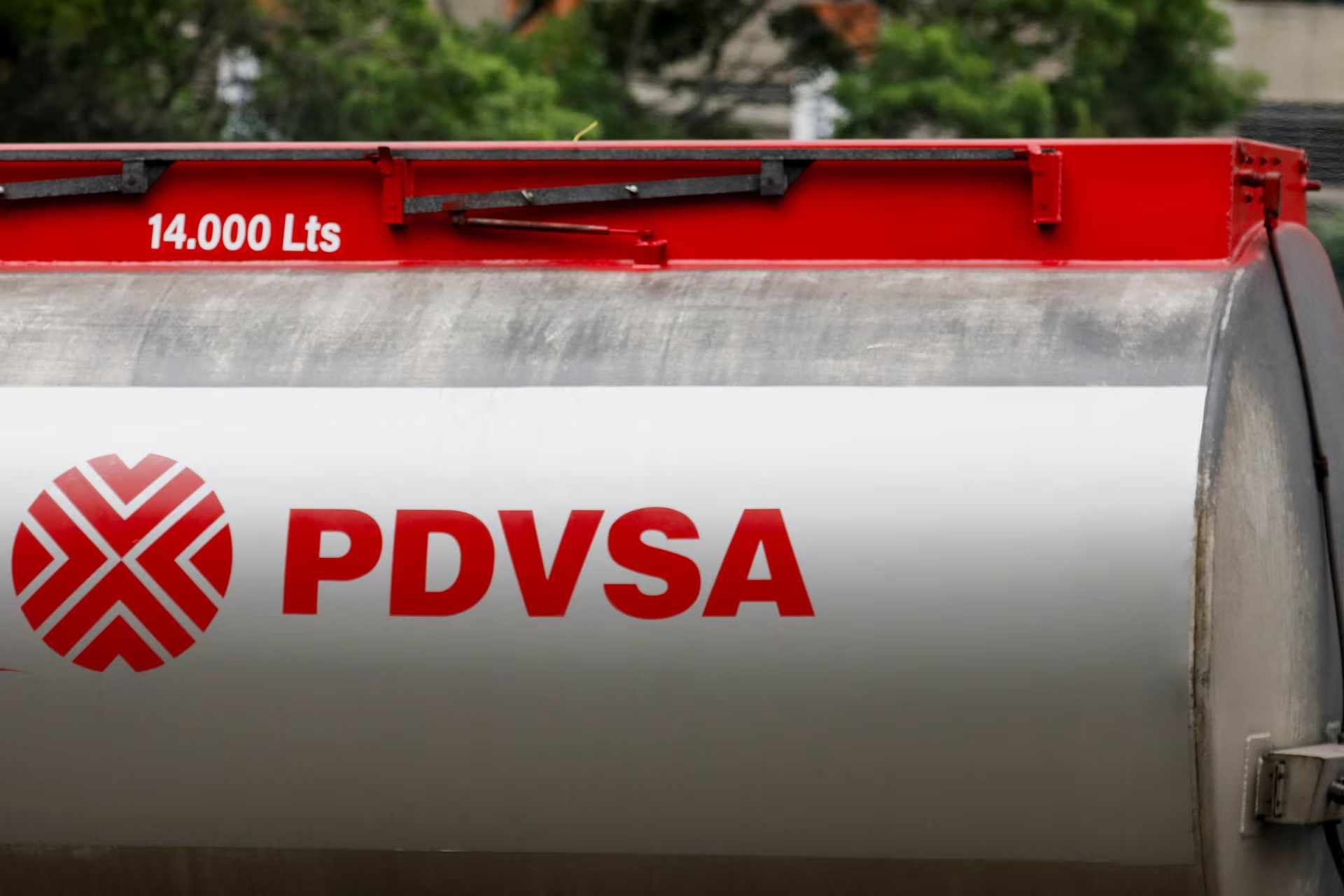

In 2026, Venezuelan oil revenue is poised to become a bold power move on the global stage, significantly influencing not only the country’s economy but also the geopolitical landscape. Traditionally, Venezuela has been one of the largest oil producers in the world, with the Orinoco Belt housing one of the richest oil reserves globally. However, political instability, economic mismanagement, and sanctions have historically hampered its potential.
As the country seeks to recover from years of economic turmoil, the government is recognizing oil revenue as a key pillar for revitalization. The strategic prioritization of oil production, supported by recent negotiations with various international partners, indicates a determined effort to boost income from this vital sector. By 2026, armed with favorable global oil prices and emerging technologies, Venezuela could dramatically increase production levels, thereby enhancing its revenue streams significantly.
This enhanced revenue generation would not only help the government in reshaping its economic policies but also enable it to alleviate the crippling poverty that has plagued its population. Investment in infrastructure, healthcare, and education can become viable realities if oil revenue increases, thereby fostering domestic stability and rebuilding national morale. Furthermore, the potential for enhanced oil revenues places Venezuela in a unique position to renegotiate debts and regain access to international markets, which has been a point of contention in recent years.
The geopolitical implications of a revitalized Venezuelan oil industry are profound. Historically, countries reliant on oil exports wield considerable influence on the global stage. If Venezuela can restore its oil prowess, it may reshape alliances and economic relationships, particularly with nations seeking energy diversification amid fluctuating market conditions. Collaborations with countries like Russia and China could see Venezuela becoming a key player in OPEC-like dynamics, even influencing oil prices globally, thereby positioning it as a critical pivot point in international energy discussions.
However, the road ahead is fraught with challenges, including potential backlash from competitors, environmental concerns, and the ever-present specter of political unrest. To harness its oil revenues effectively while promoting sustainable practices, Venezuela must implement comprehensive reforms addressing governance and environmental stewardship.
In conclusion, Venezuela’s oil revenue in 2026 has the potential to serve as a bold power move. By cultivating its vast resources, the nation could not only rejuvenate its economy but also redefine its position in global affairs, ushering in a new era of financial stability and influence. The challenge lies in harnessing this potential sustainably and inclusively, ensuring that the benefits of increased oil revenue reach all Venezuelans.
For more details and the full reference, visit the source link below: