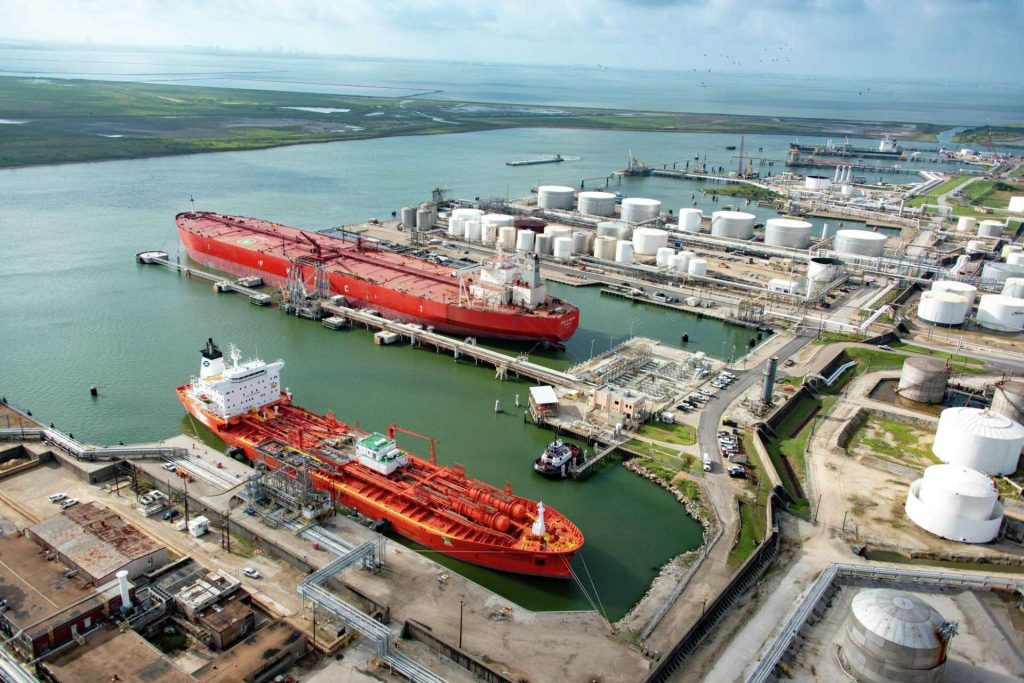

As we approach 2026, the landscape of global oil trading faces significant disruptions, primarily driven by geopolitical shifts, technological advancements, and environmental considerations. Brussels, as a pivotal hub for European policymaking, finds itself at the center of this evolving scenario, influencing both regional and global oil markets.
One of the foremost reasons for the anticipated disruption is the ongoing geopolitical tensions among oil-producing nations. Countries like Russia and Venezuela have experienced strained relations with the West, resulting in sanctions that significantly alter trade flows. The European Union, reliant on energy imports, is grappling with the need for energy security while transitioning towards renewable energy sources. This transition heightens concerns over fluctuating oil prices and supply chain reliability, prompting EU officials to seek alternative suppliers and diversify energy sources. The dynamics of the OPEC+ alliance further complicate matters, as member states navigate their own national interests amidst fluctuating demand and environmental pressures.
Technological advancements play a dual role in this transformation. On one hand, innovations in extraction techniques, such as fracking and deep-water drilling, continue to enhance production capabilities in regions like North America. On the other hand, the rise of electric vehicles (EVs) and renewable energy technologies is disrupting traditional oil consumption patterns. The EU’s commitment to achieving carbon neutrality by 2050 is accelerating investments in green energy, thereby reshaping demand forecasts for oil. This shift not only threatens the long-term viability of oil trading but also compels countries to rethink their energy policies.
Brussels is actively involved in setting regulations that can facilitate or hinder these transformations. The European Green Deal aims to establish a sustainable growth model, challenging oil-dependent economies to adapt or face the repercussions of stringent environmental policies. Increased taxes on fossil fuels and investments in infrastructure for alternative energy sources are just a few of the measures being discussed. Consequently, oil-exporting nations are now under pressure to innovate and invest in cleaner technologies to align with global standards, thereby reconfiguring traditional trading relationships.
Moreover, the emergence of blockchain technology promises to inject greater transparency and efficiency into oil trading. By facilitating real-time tracking of oil shipments and simplifying transactions, blockchain has the potential to reduce both costs and the risks of fraud. However, the economic benefits of adopting such technologies may not be equally accessible for all countries involved, further straining global trade relationships.
In conclusion, the trajectory of global oil trading as we approach 2026 is marked by uncertainty and transformation. With Brussels at the helm of policy changes, the interplay between geopolitical dynamics, technological progress, and environmental commitments will fundamentally reshape how oil is traded worldwide. The ensuing shifts will require adaptability from both producers and consumers to navigate this complex landscape effectively.
For more details and the full reference, visit the source link below: