
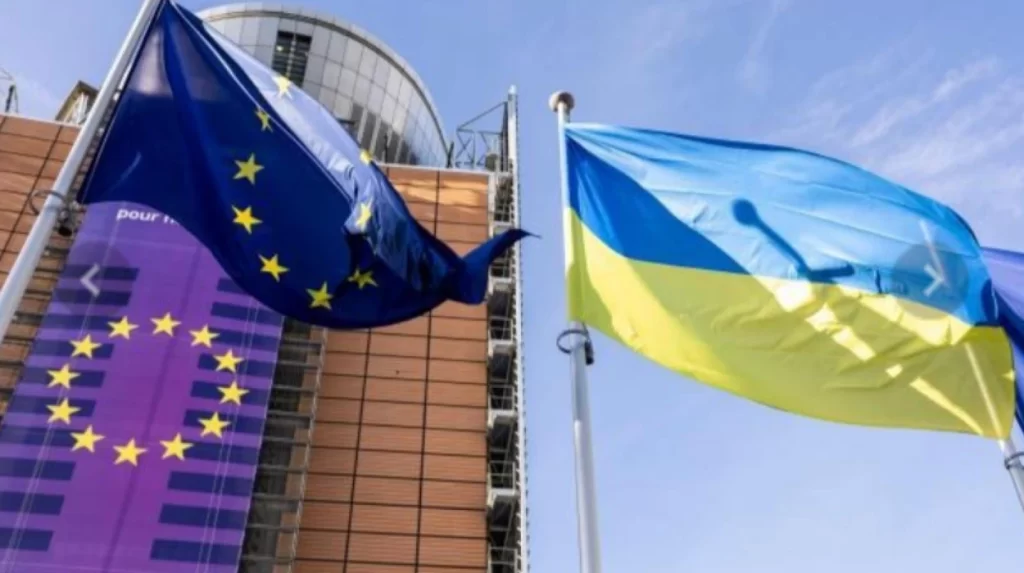

Sweden has taken a firm stance in advocating for tougher European Union sanctions against Russia, particularly in response to its ongoing aggression in Ukraine. The geopolitical landscape has shifted dramatically since the onset of the conflict, and Sweden—alongside other EU member states—recognizes the necessity of a united front to address the challenges posed by Russian military actions and political maneuvers.
Historically, Sweden has maintained a policy of military non-alignment, but the current situation has prompted a reevaluation of its security stance and foreign policy. The country has shown a commitment to NATO’s principles and has increasingly collaborated with EU partners to ensure a cohesive response to Russian provocation. Sweden’s support for enhanced sanctions is driven by a combination of humanitarian concerns, regional stability, and the protection of democratic values.
The proposed sanctions would target key sectors of the Russian economy, including energy, finance, and technology. Given that Russia is a major supplier of oil and gas to Europe, sanctions targeting these industries are seen as crucial in weakening Moscow’s financial capabilities to sustain its military operations. By reducing reliance on Russian energy sources, EU countries can not only cripple the Russian economy but also promote the transition toward renewable energy within Europe.
Sweden’s commitment to these tougher sanctions is also rooted in its moral obligation to support Ukraine. The Swedish government has provided military aid and humanitarian assistance to Ukraine, reflecting a deepened sense of solidarity with the besieged nation. Swedish Prime Minister Ulf Kristersson has articulated the view that strong economic sanctions are essential to compel Russia to reconsider its aggressive actions.
Moreover, Sweden’s advocacy for more robust sanctions is indicative of a broader trend within the EU, where member states have increasingly recognized the need to take decisive action. The EU’s response has evolved from initial economic measures to comprehensive sanctions aimed at cutting off financial resources that bolster Russia’s military efforts. Sweden’s role in this process underscores its dedication to collective security and international law.
Furthermore, Sweden sees stronger sanctions as a way to signal to other aggressor states that there will be significant consequences for violating international norms. It reflects a commitment to a rules-based international order, which is vital in ensuring long-term peace and security in Europe and beyond.
In conclusion, Sweden’s support for more stringent EU sanctions against Russia aligns with its foreign policy objectives of promoting democracy and stability in the region. This stance not only aims to degrade Russia’s capacity to sustain its military aggression but also fosters greater solidarity among EU member states, reinforcing the block’s collective response to threats in its vicinity.
For more details and the full reference, visit the source link below:


