
Iran’s political landscape has been characterized by volatility and turbulence, and as we look towards 2026, this instability poses significant challenges both domestically and internationally. The interplay between theocratic governance, civil unrest, economic hardship, and geopolitical tensions creates a multifaceted crisis that is unlikely to resolve in the near future.
One of the core issues of Iran’s political instability is the ongoing struggle between reformists and hardliners within the government. The Iranian regime, which combines elements of authoritarianism with a veneer of democratic processes, faces immense pressure from a populace increasingly disillusioned with its leadership. Economic mismanagement, compounded by severe sanctions imposed by Western nations—particularly those led by the United States—has resulted in soaring inflation, unemployment, and falling living standards. This economic distress has led to widespread protests, signaling a public yearning for change and reform.
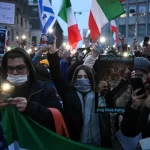
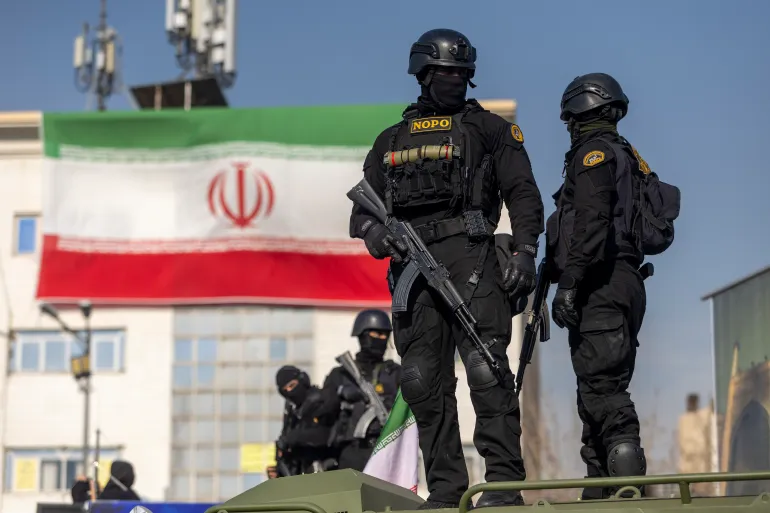
As citizens of Iran continue to demand greater freedoms and improved living conditions, the government approaches these protests with a heavy hand, often resorting to violence and repression. This cycle of unrest can amplify the instability in 2026, as discontent among the youth, who make up a significant portion of the population, continues to grow. The youth are particularly vocal about issues such as corruption, human rights abuses, and limited opportunities. Their potential for mobilizing and organizing protests represents a fundamental challenge to the regime.
Additionally, Iran’s geopolitical situation contributes to its internal instability. The country is often at odds with various international players, including rivals like Saudi Arabia and Israel, as well as Western nations. These adversarial relationships have not only fostered a sense of isolation but also have led the government to adopt aggressive stances in pursuing its regional interests, which exacerbates tensions. The potential for conflict in the Middle East, whether through proxy groups or direct confrontation, poses additional challenges that could destabilize the political environment.
Furthermore, the upcoming presidential election in 2025, leading into 2026, is likely to serve as a crucial moment. Depending on how it unfolds, it could either exacerbate tensions or result in significant changes in leadership. Should the election be perceived as rigged or lacking credibility, further protests are inevitable, raising the stakes for international observers and stakeholders concerned about regional stability.
In sum, the interplay of economic struggles, civil unrest, authoritarian governance, and geopolitical tensions ensures that Iran’s political instability will remain a pressing challenge in 2026. The regime’s response to dissent and the effectiveness of reformist pressures will significantly shape Iran’s future, with potential ramifications not only for the nation but for the entire Middle Eastern landscape as well.
For more details and the full reference, visit the source link below: