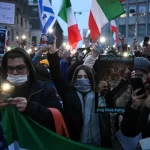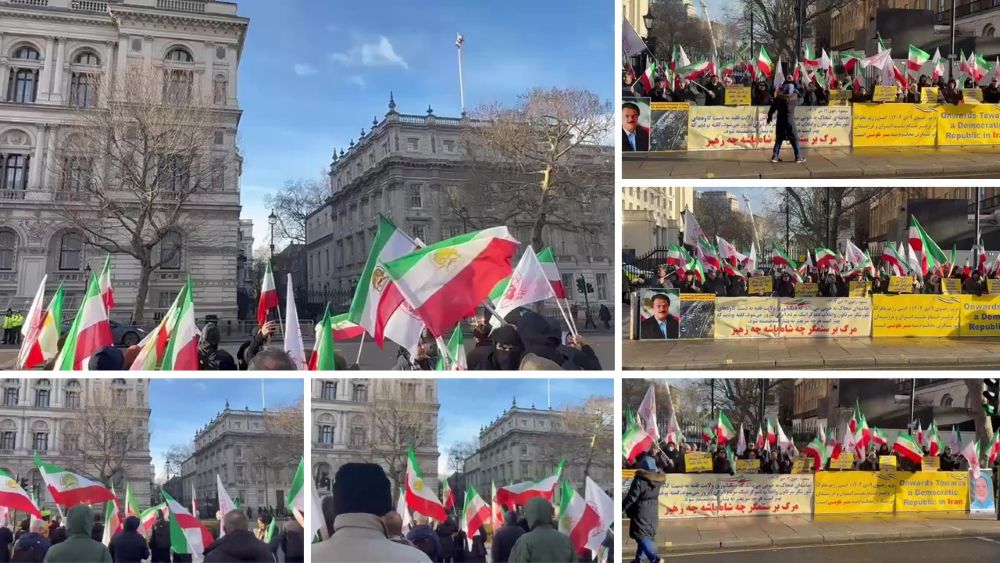

In 2026, Iran finds itself grappling with a severe crisis stemming from widespread unrest, leading to significant casualties and deepening societal divides. The unrest, ignited by political discontent and economic hardships, reflects a culmination of years of simmering tensions within the country. The catalysts of this upheaval encompass high inflation, rampant unemployment, and widespread dissatisfaction with the ruling establishment’s inability to address the grievances of the average Iranian citizen.
Protests erupted initially over rising prices of essential goods and fuel, quickly escalating as demonstrators voiced their frustrations regarding governmental corruption and lack of accountability. Social media played a critical role in mobilizing the masses, as citizens, especially the youth, organized protests across major cities such as Tehran, Isfahan, and Shiraz. This digital solidarity amplified dissent, allowing divergent groups to unite over a common goal: comprehensive political reform and an end to repressive practices.
In response, the Iranian government implemented harsh crackdowns on protests, deploying security forces equipped with live ammunition to quell dissent. Reports emerged of significant casualties, with hundreds dead and thousands injured as security forces clashed with demonstrators. Human rights organizations condemned the government’s actions, calling for international intervention and greater scrutiny of the Iranian regime. The intensity of the crackdowns led to an atmosphere of fear, yet tales of bravery and resilience emerged from the streets, showcasing the determination of the Iranian people in the face of adversity.
Amid this crisis, the international community grappled with its response. Countries expressed concerns about human rights violations, while some proposed sanctions against Iranian officials believed to be complicit in the violence. The unrest highlighted a broader geopolitical struggle, with various countries weighing their diplomatic ties and economic interests against the ethical obligation to support human rights. The West faced criticism for previously engaging economically with Iran without addressing the human rights abuses, prompting calls for a reassessment of foreign policy towards the nation.
As the situation in Iran continues to evolve, the prospects for political resolution appear bleak. The pain and anger evident in the streets serve as a stark reminder of the population’s desire for change. The struggle for a more just and equitable society is fraught with danger, as the government maintains its grip on power through force and intimidation. Ultimately, the critical unrest of 2026 will leave a lasting mark on Iran, shaping its political landscape for years to come and resonating as a call for vigilance and solidarity from the global community.
For more details and the full reference, visit the source link below: