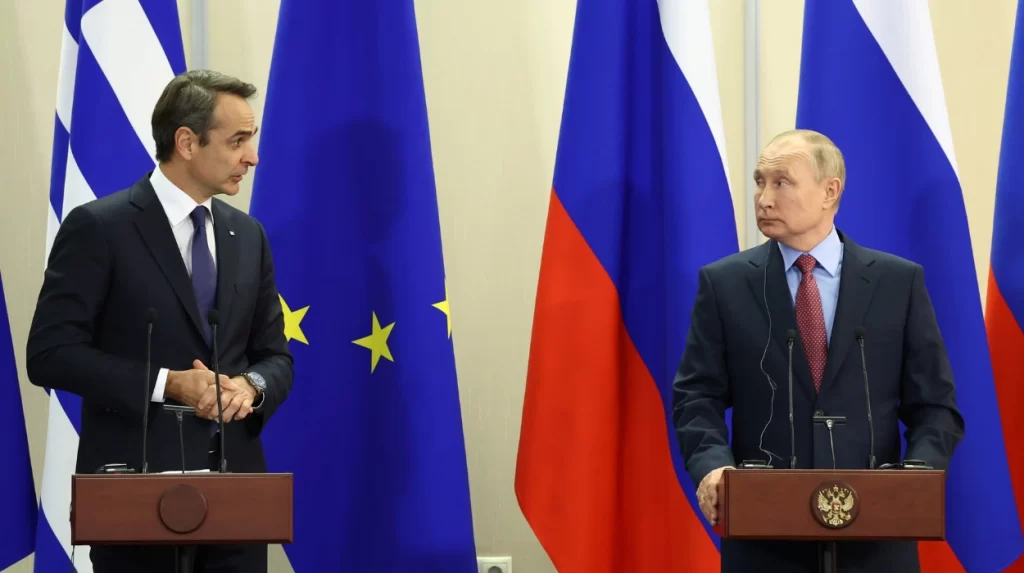

Cyprus, strategically positioned at the crossroads of Europe, Asia, and Africa, finds itself in a complex geopolitical landscape, especially concerning its relationship with Russia under Vladimir Putin. The island nation has historically maintained a delicate balance in its foreign policy, emphasizing diplomatic ties while carefully navigating its relationships with larger powers. However, the ongoing conflict in Ukraine and escalating tensions have made Cyprus more cautious in its dealings with Russia, particularly regarding peace negotiations.
As Russia continues to assert its influence in the Eastern Mediterranean, interacting with various regional players, Cyprus has expressed hesitance to resume direct negotiations with Putin, particularly in the context of peace initiatives. This hesitancy stems from several factors, including concerns over Moscow’s intentions and the broader implications for regional security and stability. The ongoing conflict has led many nations to reassess their ties with Russia, and Cyprus is no exception.
Cyprus’s hesitation is also influenced by its EU membership, which obligates it to align its foreign policy with the collective position of the Union. The European Union has imposed sanctions on Russia and has taken a firm stand against its actions in Ukraine, prompting Cyprus to adopt a cautious approach. Engaging in direct negotiations with Putin could be perceived as undermining these collective efforts, potentially isolating Cyprus from its EU partners.
Furthermore, the historical context of Cyprus-Russia relations complicates the situation. While Cyprus has enjoyed cordial ties with Russia, rooted in shared cultural and historical links, the current political climate casts a shadow over these relationships. The island nation’s leadership is undoubtedly aware that any overture towards Russia could be met with scrutiny from both its European allies and the international community.
Additionally, domestic considerations play a critical role in shaping the Cypriot government’s stance. The population is divided in its perspectives on foreign policy, with some factions advocating for closer ties to Russia due to economic ties, while others fear the repercussions of aligning too closely with a nation currently under widespread international condemnation.
Ultimately, Cyprus’s hesitance to engage directly with Putin reflects a broader strategic recalibration in response to the evolving geopolitical landscape. As peace negotiations continue to unfold in a challenging context, Cyprus must weigh its historical ties against the need to adopt a position that aligns with international norms and its commitments as an EU member. The question remains whether Cyprus will find a pathway that allows it to engage diplomatically without compromising its stance on sovereignty and global peace efforts.
For more details and the full reference, visit the source link below: