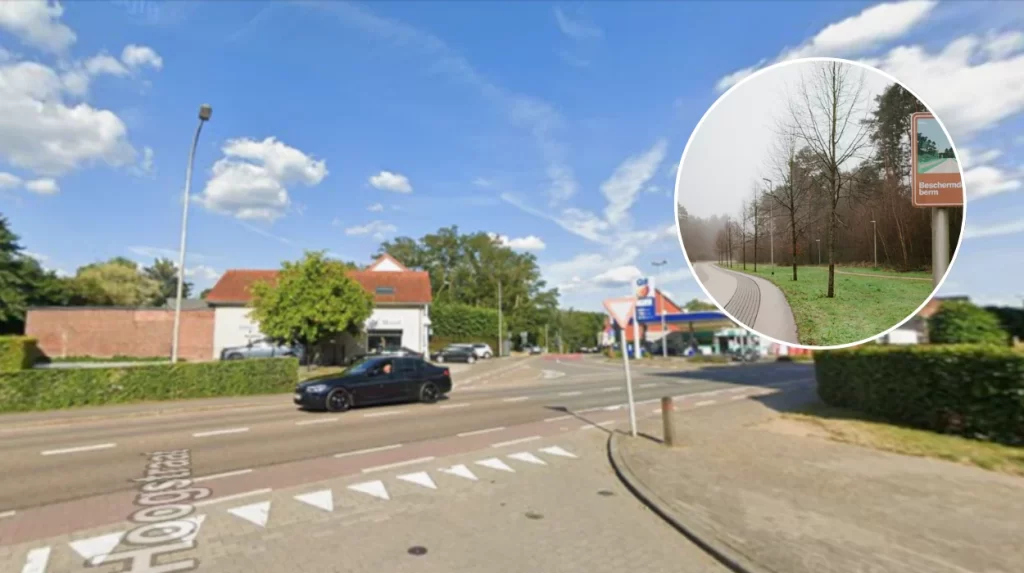

In a significant move toward environmental sustainability, the city of Genk, located in Belgium, has undertaken an initiative to convert roadside verges into protected natural areas. This innovative approach not only aims to enhance local biodiversity but also plays a crucial role in waste reduction and ecological conservation.
Historically, roadside verges have often been neglected spaces, seen merely as buffer zones alongside roads. However, the city’s decision to protect these areas reflects a growing recognition of their ecological importance. Roadside verges are home to a variety of plant and animal species, many of which are either endangered or threatened due to urban development and habitat loss. By designating these verges as protected spaces, Genk is taking proactive steps to conserve local flora and fauna, allowing ecosystems to thrive in what was once an overlooked environment.
In addition to promoting biodiversity, the conversion of these roadside verges contributes to significant waste reduction. Traditionally, maintenance practices for these areas often involved chemical herbicides and mechanical mowing, creating waste both in terms of plant material and chemical runoff. With the new protective status, Genk is encouraging more sustainable maintenance practices. This includes reducing the frequency of mowing, promoting natural growth, and allowing native plant species to flourish. Not only does this lead to decreased waste from mowing operations, but it also reduces the need for chemical inputs, which can be detrimental to soil and water quality.
Furthermore, the city is implementing educational programs aimed at raising community awareness regarding the importance of roadside verges. These efforts are designed to inspire local residents to take pride in their environment and encourage responsible waste disposal practices. By fostering a sense of stewardship within the community, Genk hopes to cultivate a culture of environmental awareness that extends beyond the verges and into all aspects of urban living.
The initiative also aligns with broader global movements aimed at sustainable urban development. Cities worldwide are increasingly seeking innovative solutions to combat climate change and environmental degradation. Genk’s action serves as a model for other municipalities looking to repurpose overlooked landscapes into functional ecological spaces that serve the dual purpose of enhancing biodiversity and minimizing waste.
In conclusion, Genk’s decision to convert roadside verges to protected status marks a progressive shift towards sustainability. By integrating ecological conservation with waste reduction, the city is setting an example for others to follow, demonstrating that urban spaces can harmonize with nature while benefiting the community at large. As urban areas continue to expand, initiatives like this will be critical in ensuring a balanced coexistence between nature and development.
For more details and the full reference, visit the source link below: