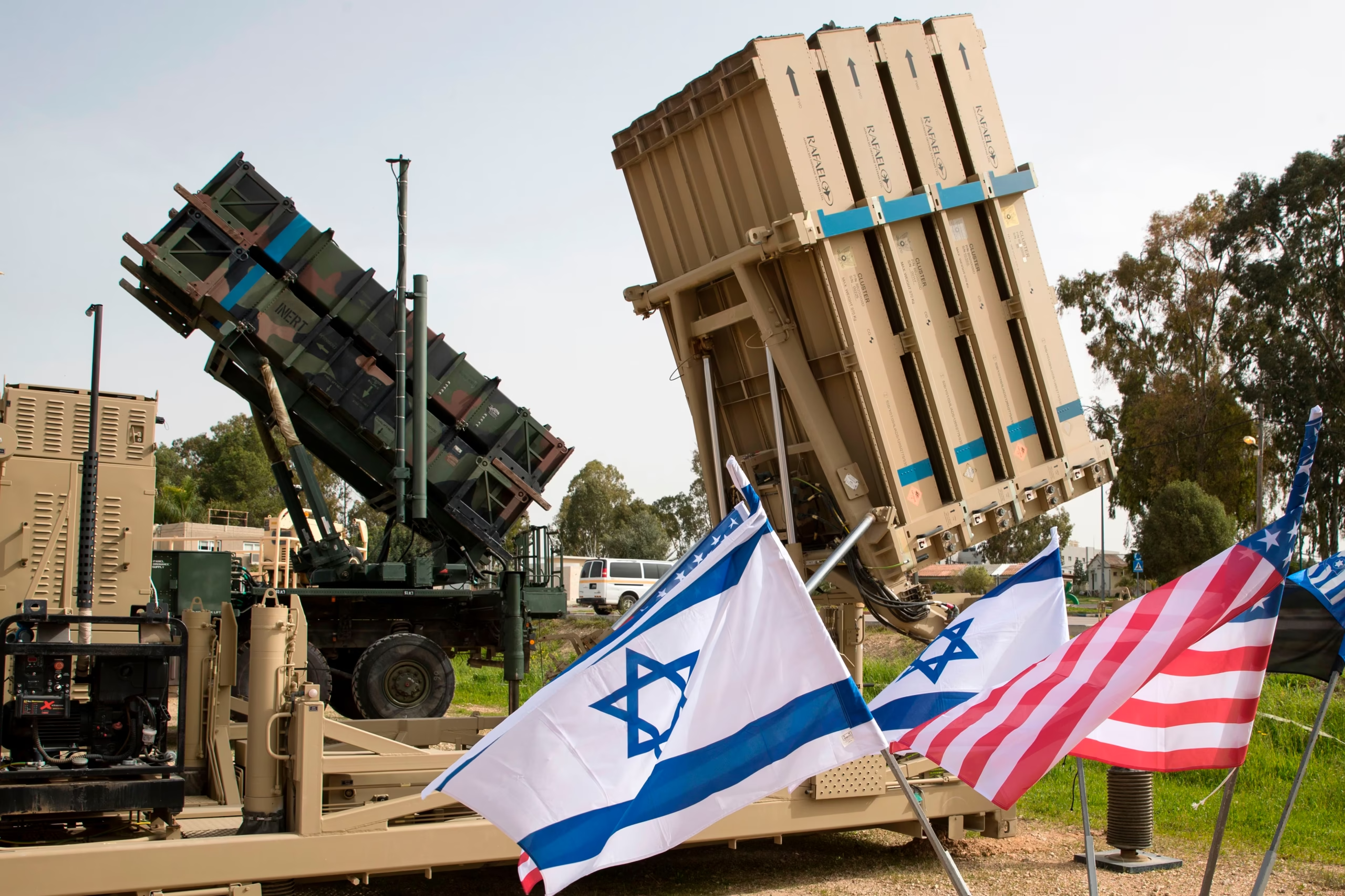
The ramifications of a critical military strike extend far beyond the immediate battlefield, influencing geopolitical stability, international relations, and security paradigms well into the future. As we look towards 2026, it’s essential to explore how such actions may shape global security dynamics.
Critical military strikes—whether preemptive or retaliatory—often act as a catalyst for broader conflicts. Historically, these strikes have led to escalations that draw in various state and non-state actors. For instance, a military action by one nation can provoke retaliatory measures by an adversary, triggering a security dilemma where each party feels compelled to bolster its military preparedness. By 2026, nations will likely need to navigate this precarious landscape carefully, understanding that even a localized military engagement can spiral into a larger confrontation, threatening regional and global stability.
Furthermore, the consequences of military strikes can reshape alliances. After a critical strike, nations might reassess their strategic partnerships and security commitments. Countries previously aligned with the aggressor may distance themselves, creating a ripple effect that alters the balance of power. Conversely, adversaries may forge unexpected alliances, driven by shared interests in countering perceived threats. The shifting allegiances can contribute to an unpredictable security environment, necessitating adaptive diplomatic strategies.
The technological dimension also plays a crucial role in the consequences of military strikes. Advancements in warfare, such as cyber capabilities and artificial intelligence, warrant new tactical considerations. In 2026, military strikes will likely incorporate cyber warfare, potentially targeting critical infrastructure. The consequences extend beyond traditional military outcomes, creating challenges for civilian populations and potentially leading to humanitarian crises. As nations adapt to this new paradigm, they must prioritize cybersecurity and resilience alongside conventional military readiness.
Public perception is another critical element. A military strike can shift domestic and international opinion, influencing political leaders and their decision-making. Public backlash can lead to calls for restraint and diplomacy, reminding leaders of the importance of soft power in managing international disagreements. As the world grapples with the consequences of military engagements, civil society may exert pressure for accountability and transparency, advocating for solutions grounded in dialogue rather than destructive force.
Lastly, the long-term repercussions of military strikes often manifest in the form of increased militarization and defense spending. Nations may feel compelled to enhance their military capabilities, leading to an arms race that undermines global peace efforts. This cycle of militarization reinforces the need for robust diplomatic frameworks aimed at conflict prevention and resolution.
In conclusion, the consequences of critical military strikes will undoubtedly shape global security frameworks by 2026, influencing alliances, technological warfare, public perception, and military expenditures. Understanding these dynamics is crucial for policymakers as they work to foster a more stable and peaceful world.
For more details and the full reference, visit the source link below:
Read the complete article here: https://brusselsmorning.com/military-strike-consequences-2026/91149/