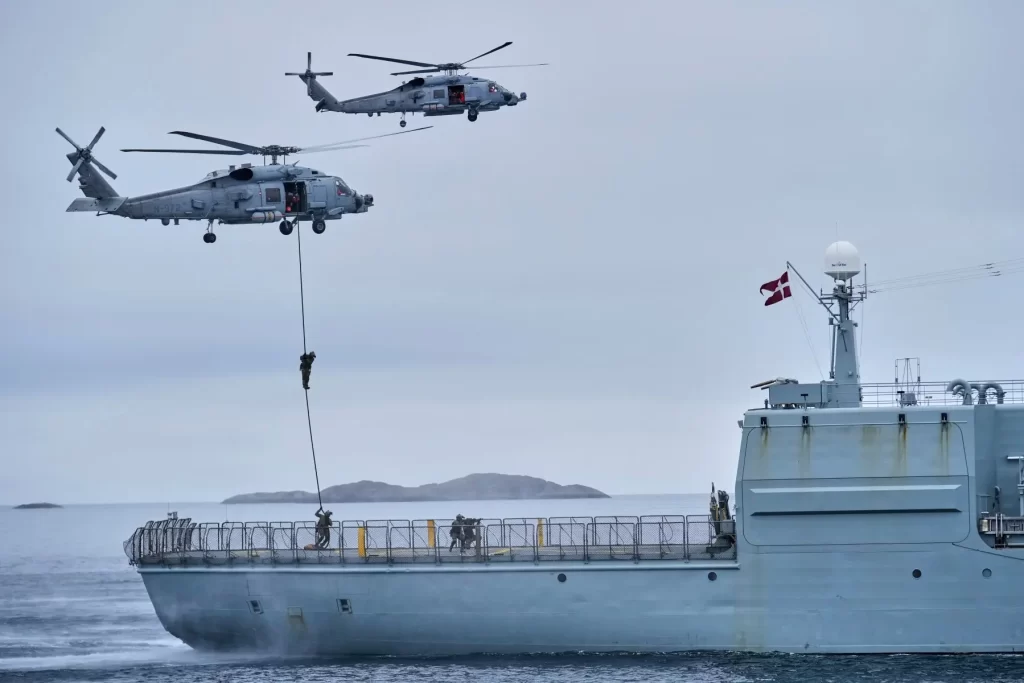


European Military Makes Bold Shift in Greenland 2026
In 2026, a significant transformation unfolded in the Arctic landscape as European military forces initiated a strategic realignment in Greenland. This audacious shift, a response to evolving geopolitical dynamics and climate change, underscored the importance of this vast, resource-rich territory in the Arctic region.
Historically, Greenland has often been viewed through the lens of sovereignty and environmental observations. However, rising tensions among global powers regarding Arctic navigation and resource exploitation prompted European nations to solidify their collective military presence in the area. As climate change continues to melt polar ice caps, the Arctic routes have become increasingly accessible, making Greenland a focal point rich in untapped natural resources, including rare minerals and vast oil reserves.
The European military deployment included troops from multiple nations, who set up advanced bases equipped with cutting-edge surveillance technology and logistical support. This multinational operation served not only as a deterrence to potential aggressors—most notably Russia, which has ramped up its Arctic activities—but also as a show of solidarity among European nations. Enhanced cooperation among NATO allies reaffirmed Europe’s commitment to preserving peace and security in the region.
Greenland’s strategic location near vital shipping routes further underscored the importance of this military shift. With the opening of the Northern Sea Route and increased maritime traffic, European nations sought to safeguard these corridors against piracy, environmental threats, and geopolitical rivalries. The presence of well-trained military personnel, bolstered by state-of-the-art maritime patrol aircraft and icebreakers, aimed to ensure that these routes remained secure and navigable.
The impact of this military initiative extended beyond defense. It also catalyzed significant economic opportunities for Greenlanders. Increased military investment created jobs and infrastructure improvements, setting a foundation for sustainable development in the indigenous communities. European nations, in partnership with Greenland’s government, explored environmentally conscious initiatives that aligned military activities with local needs, emphasizing ecological preservation.
Amidst these developments, the international community closely monitored Europe’s actions. Concerns regarding militarization in environmentally sensitive areas prompted discussions surrounding collaborative conservation efforts. Calls for dialogue emerged, urging nations to engage diplomatically rather than through a lens of confrontation.
In conclusion, the bold military shift in Greenland in 2026 signified a new chapter in Arctic geopolitics, encapsulating themes of security, resource management, and international collaboration. As global temperatures continue to rise, the Arctic and its strategic significance will undeniably remain at the forefront of international relations, calling for a careful balance between military readiness and environmental stewardship.
For more details and the full reference, visit the source link below:
Read the complete article here: https://brusselsmorning.com/european-military-greenland-2026/91186/