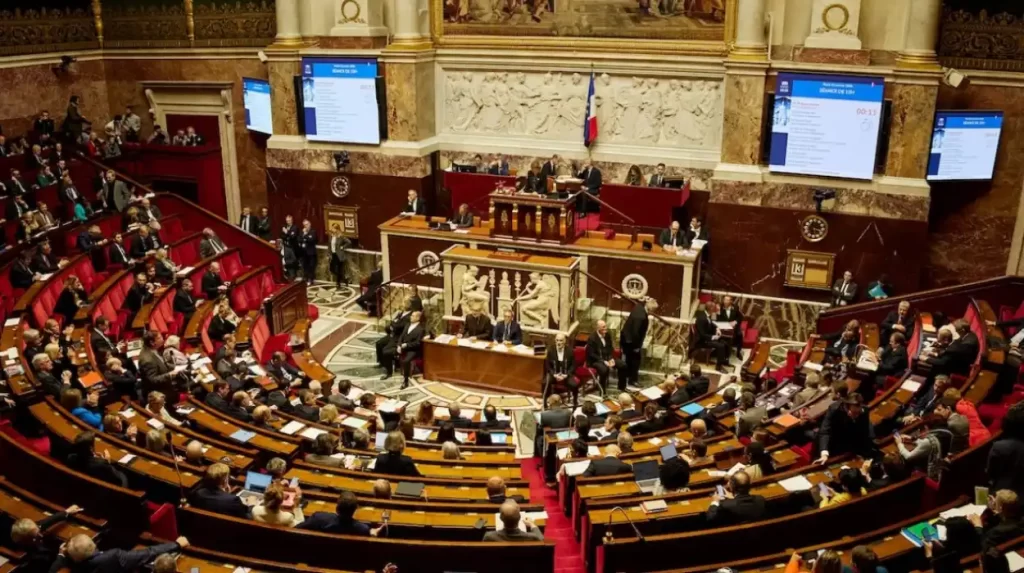

The European Parliament has initiated a censure motion regarding the controversial Mercosur trade deal, which aims to finalize a free trade agreement between the European Union (EU) and four South American countries: Argentina, Brazil, Paraguay, and Uruguay. This development comes amid escalating concerns from various advocacy groups and member states surrounding environmental issues, human rights, and socio-economic factors linked to the deal.
The Mercosur agreement, originally struck in June 2019, has been hailed by some as a significant milestone in enhancing global trade relations. Proponents argue that it would bring substantial economic benefits, including increased export opportunities for EU farmers and reduced tariffs on South American goods. However, critics assert that the deal could lead to deforestation in the Amazon rainforest, increased carbon emissions, and undermine efforts to combat climate change.
Numerous environmental organizations have voiced their dissent, warning that the deal’s implementation could exacerbate ecological degradation in Brazil, where deforestation rates have already surged in recent years. The EU has committed to the Paris Agreement and its Green Deal, aiming for a sustainable economy. Hence, many lawmakers contend that striking a trade deal with countries that do not adhere to stringent environmental policies and sustainable practices contradicts the EU’s climate objectives.
Human rights concerns have also been highlighted, particularly regarding Brazil’s political climate under President Jair Bolsonaro. His administration has faced criticism for its stance on indigenous rights and environmental protection, raising questions about the ethical implications of trading with a government perceived as failing to protect vulnerable communities.
The motion for censure seeks not only to express the Parliament’s disapproval but also to press the European Commission into ensuring that human rights and environmental safeguards are integral to any final agreement. It serves as a clear signal that trade agreements cannot be evaluated solely on economic merit; social and ecological responsibilities must also be paramount.
The censure also reflects a growing sentiment among EU citizens who are increasingly aware of the interconnectedness of global trade, climate issues, and human rights. As the Parliament votes on the censure motion, the outcome could dictate the future of the Mercosur deal and set a precedent for how the EU approaches international trade agreements moving forward.
In conclusion, while the Mercosur trade deal holds potential economic benefits, the censure motion signals a significant turning point in how the EU balances trade aspirations with its ethical, environmental, and human rights commitments. The deliberations ahead will be closely watched, as they will not only impact this particular agreement but also the EU’s future trade policies in an increasingly complex global landscape.
For more details and the full reference, visit the source link below: