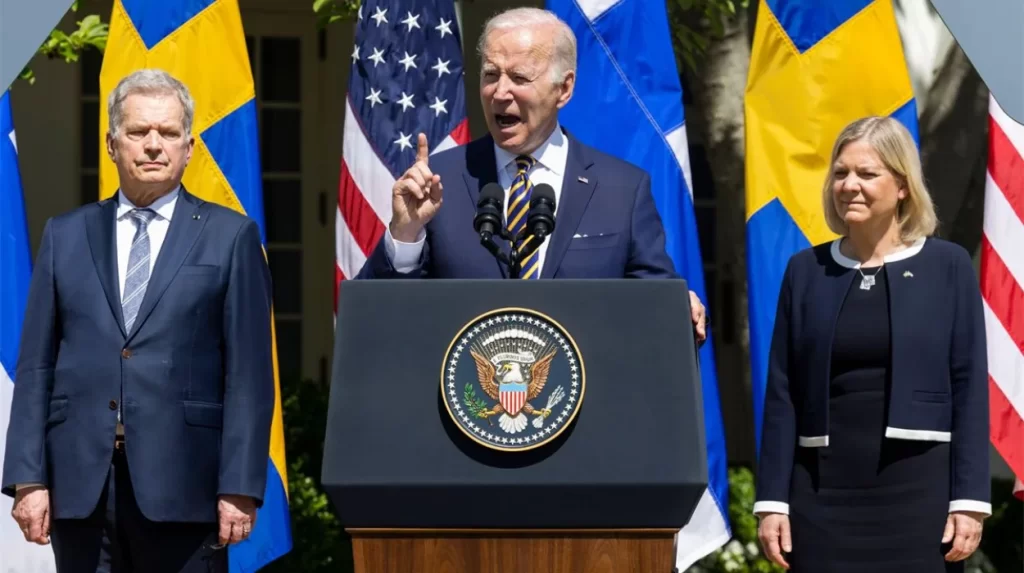

The European Parliament is increasingly aware of the strategic imperative for a cohesive defense policy within the European Union, especially given the evolving geopolitical landscape. This awareness has led to calls for the EU to consider a defense clause that aligns closely with NATO’s Article 5, which states that an armed attack against one member is considered an attack against all.
The context for this push is multifaceted. In recent years, the security environment in Europe has been marked by threats such as terrorism, cyber-attacks, and aggressive posturing from Russia, particularly in the wake of the Ukraine crisis. These developments have spotlighted the need for a unified and robust defense strategy among EU member states, who have historically relied on NATO for collective security.
The European Parliament’s proposal for an EU Defense Clause aims to reinforce collective defense principles among member states while ensuring that the EU plays a more proactive role in global security affairs. By aligning this new clause with NATO’s Article 5, the EU would send a clear message of solidarity not only to its citizens but also to potential adversaries. This alignment would also streamline coordination between the EU and NATO, enhancing operational effectiveness in crisis situations.
Critics of the proposal, however, express concerns about duplicating existing NATO functions or creating unnecessary divisions within the transatlantic alliance. They argue that NATO has long been the bedrock of European defense, and that the EU should prioritize enhancing NATO capabilities rather than establishing separate structures. Nonetheless, proponents counter that an EU Defense Clause does not intend to undermine NATO but rather to complement it, providing a framework for EU members to act collectively in instances that do not directly involve NATO.
Furthermore, the integration of an EU Defense Clause has implications for EU foreign policy. A stronger collective defense mechanism could enhance Europe’s global standing, allowing it to take decisive action in international conflicts and humanitarian crises, thereby contributing to global stability. This vision goes beyond defense; it embodies the EU’s aspiration to be seen as a credible and responsible actor on the world stage.
In summary, the European Parliament’s call for an EU Defense Clause aligned with NATO’s Article 5 reflects an urgent recognition of the need for collective defense amid rising security challenges. While the proposal faces scrutiny, it represents a significant step towards a more integrated European defense strategy, capable of addressing contemporary threats while complementing the established role of NATO. The ongoing discussions surrounding this initiative will likely shape the future of European security and defense policy for years to come.
For more details and the full reference, visit the source link below: