
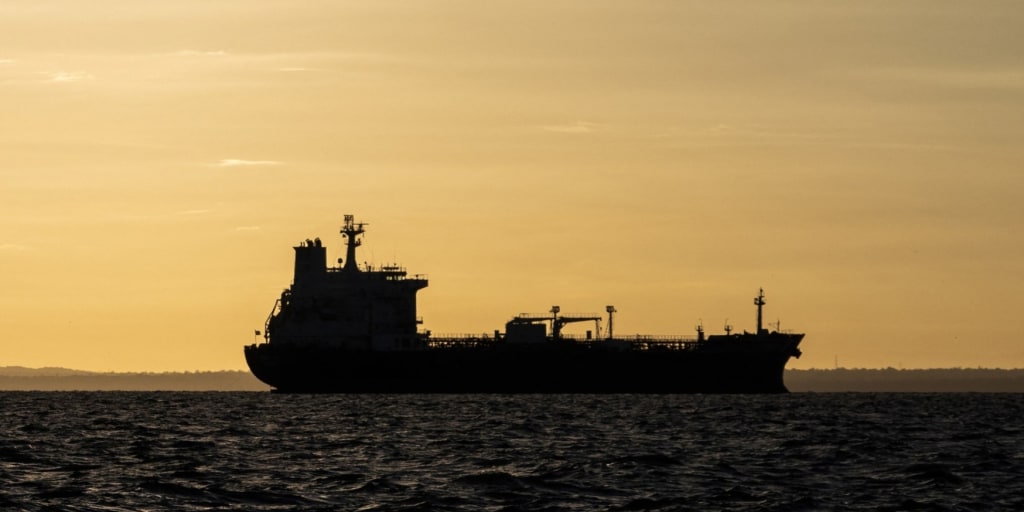

In a significant development in international maritime law and energy politics, the United States has seized an oil tanker in the Caribbean Sea, marking a decisive moment in its ongoing efforts to enforce sanctions against countries deemed as threats to national or regional security. The incident, which occurred in early February 2026, highlights the intricate balance of power in a region often characterized by geopolitical tensions, particularly with nations like Venezuela and Cuba.
The oil tanker, reportedly carrying a substantial cargo of crude oil linked to sanctioned entities, was intercepted by the U.S. Coast Guard and naval forces after intelligence indicated its route was intended to supply fuel to these countries. This operation underscores the U.S. commitment to uphold sanctions, particularly those targeting oil exports from Venezuela, which are aimed at crippling the regime’s economic capabilities and limiting its influence in the region.
This seizure can be viewed as part of a broader strategy employed by the U.S. to counteract perceived threats from authoritarian regimes in Latin America. For years, Venezuela has dealt with severe economic turmoil, exacerbating malnutrition and social unrest. By intercepting tankers that bolster the regime’s oil revenues, the U.S. aims to apply pressure on President Nicolás Maduro’s government.
The U.S. government justified the seizure by citing the need for upholding international laws that regulate maritime commerce, arguing that they were acting in accordance with laws that prohibit the aid of sanctioned entities. Critics, however, argue that such actions can escalate tensions in the region, drawing ire from sovereign nations that may view the U.S. as overreaching its authority.
This incident also has ripple effects beyond the immediate geopolitical landscape. It raises concerns among other Caribbean nations about their own maritime security and the extent of U.S. naval presence in the region. Countries reliant on oil imports from Venezuela or other sanctioned nations may find themselves caught in the crosshairs of U.S. enforcement actions, potentially facing disruptions in essential supply chains.
Furthermore, the operational aspect of seizing a vessel in international waters questions the balance of power at sea. Nations may rethink their maritime strategies to mitigate risks associated with transit through heavily patrolled areas.
As the Caribbean Sea continues to serve as a strategic conduit for energy supplies, this seizure could herald a new era of heightened vigilance and intervention by the U.S. and its allies. The long-term implications will depend on how regional powers respond to these developments and whether further escalations provoke retaliatory measures from the affected nations. The world watches closely, as the ramifications of this event could reshape not only energy politics but also diplomatic relations within the Caribbean and beyond.
For more details and the full reference, visit the source link below:


