

In 2026, escalating tensions between Iran and European nations have sent shockwaves through Brussels, prompting urgent discussions among EU leaders. This volatile relationship has roots in both geopolitical maneuvers and internal politics, with implications that extend far beyond Europe’s borders.
The flashpoints include Iran’s nuclear ambitions, its regional influence via proxy groups across the Middle East, and its increasingly aggressive foreign policy. The 2015 Joint Comprehensive Plan of Action (JCPOA), intended to curb Iran’s nuclear program, faced strains after the U.S. withdrawal in 2018. While European leaders attempted to preserve the agreement, Iran’s subsequent breaches and the collapse of diplomatic talks have cultivated a climate of mistrust and fear.
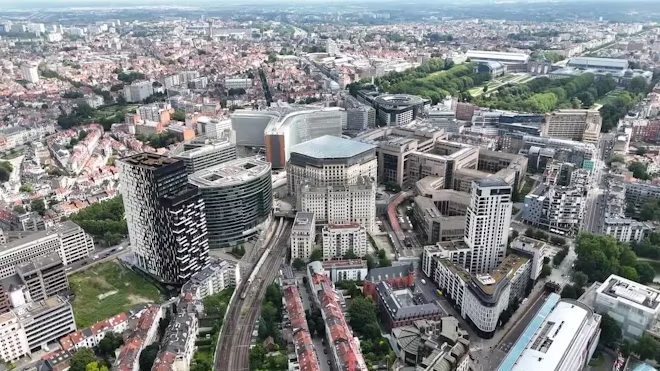
In early 2026, a series of provocative actions from Tehran, including missile tests and aggressive military maneuvers in the Gulf, prompted a firmer stance from the EU. Brussels, home to significant international institutions and a hub for diplomatic dialogue, became the focal point for strategic discussions on how to address Iran’s escalating threats. European diplomats faced immense pressure not only from an anxious public but also from member states with differing views on engagement with Iran.
Germany and France, seeking to keep diplomatic channels open, called for renewed negotiations. However, countries like Poland and the Baltic states urged a more aggressive stance, wary of Iran’s regional capabilities and its connections to groups such as Hezbollah and various militias in Iraq and Syria. The internal rift among EU members over how to handle Iran has created a complicated diplomatic landscape, weakening the EU’s unified front.
Coinciding with these tensions, the economic ramifications of sanctions against Iran have begun to ripple through European markets. Energy prices have surged, as much of Europe still relies on imports from the Gulf region. This economic vulnerability has added to the urgency of finding a diplomatic solution, forcing European leaders to consider alternatives to confrontation.
Moreover, human rights issues in Iran have become a focal point, amplifying tensions within European societies. The brutal suppression of dissent in Iran has not gone unnoticed, leading to protests across various European cities, further complicating the political dynamics as citizens demand accountability from their governments.
As Brussels grapples with these multifaceted challenges, the potential for diplomatic resolution hangs in the balance. The urgency to stabilize the situation, combined with the complexity of member state interests, underscores how critical the next steps will be for both Iran and the broader European landscape. The rising tensions have come to define the geopolitics of the era, with far-reaching implications for security, economic stability, and human rights. The outcome of this standoff could reshape EU-Iran relations for decades to come.
For more details and the full reference, visit the source link below: