

In a significant statement that underscores the growing unrest in Iran, Manfred Weber, the leader of the European People’s Party, has called upon EU embassies in Tehran to extend their safety nets to protesters facing government repression. This move highlights not only the escalating tensions within Iran but also the European Union’s responsibility to uphold human rights and support democratic movements globally.
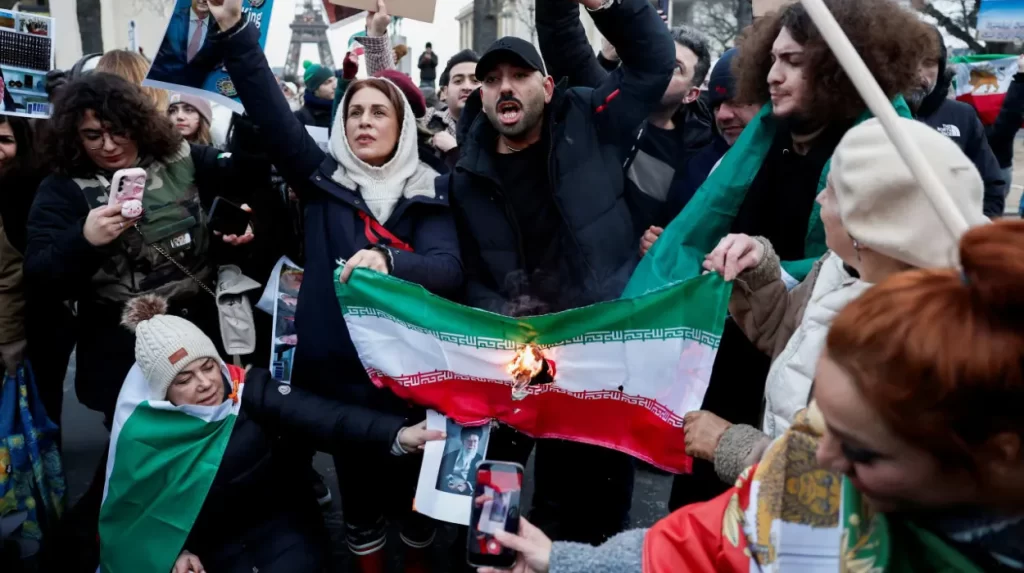
The ongoing protests in Iran, which erupted following the death of Mahsa Amini while in police custody, have transformed into a larger movement demanding fundamental freedoms, including women’s rights and greater political liberties. The Iranian government’s heavy-handed response, characterized by violent crackdowns, arrests, and censorship, has drawn widespread international condemnation. In this fraught environment, Weber’s appeal for EU embassies to provide refuge for those protesting against the regime reflects a proactive stance that seeks to protect individuals risking their lives in pursuit of basic rights.
Weber’s call for sheltering these protesters resonates deeply with the EU’s core values of liberty, equality, and respect for human dignity. The role of diplomats in crisis situations is crucial, and Weber’s urging signifies the need for EU representatives to stand firmly in solidarity with those opposing authoritarianism, not only through verbal denunciations but through tangible actions. By offering sanctuary, EU embassies could symbolize hope and resilience for those fighting against oppression.
This action would also send a strong message to the Iranian government about the consequences of its actions. It shows that the international community is watching and that brutal tactics employed to quell dissent will not go unchallenged. Additionally, it could encourage other nations and stakeholders to activate their support networks for human rights defenders in Iran, potentially leading to a more collective international response against the regime’s abuses.
However, this strategy is not without its challenges. Providing refuge to protesters could provoke severe retaliation from the Iranian government, leading to strained diplomatic ties. The EU must carefully weigh the implications of such actions, balancing the need to uphold human rights with the complexities of international diplomacy.
Weber’s bold initiative illustrates a crucial moment in EU-Iran relations, demonstrating the union’s commitment to human rights in practice and not merely in rhetoric. As the world watches, the EU’s actions may play an essential role in influencing the trajectory of Iran’s unfolding struggle for democracy and justice, emphasizing the need for democratic governments to stand firm against tyranny, wherever it rears its head.
For more details and the full reference, visit the source link below: