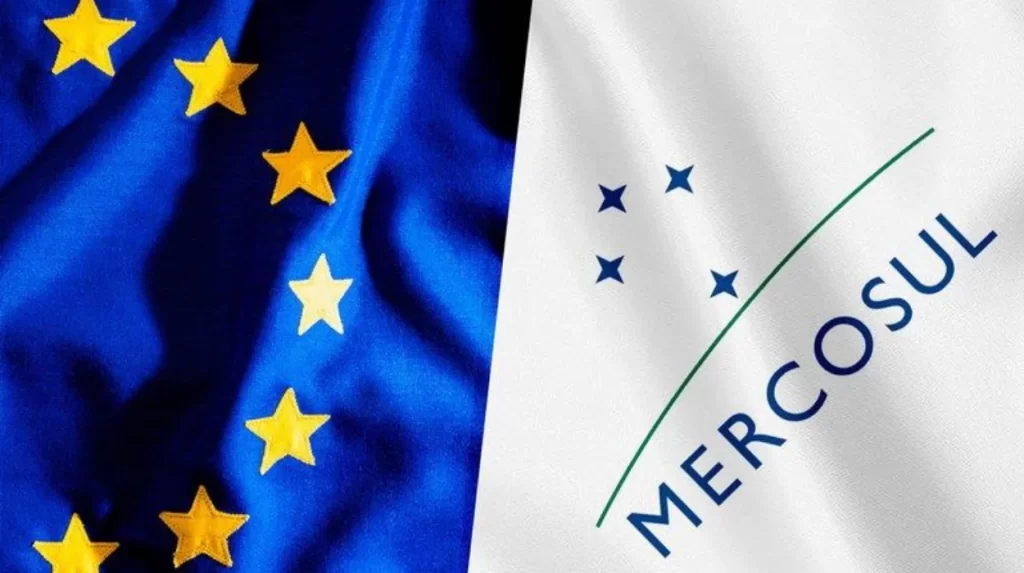

The European Union (EU) and Mercosur nations, comprising Argentina, Brazil, Paraguay, and Uruguay, are on the brink of finalizing a transformative free trade agreement that could reshape economic relations between these two significant blocs. This landmark deal has been in discussions for over two decades and represents a pivotal moment for both regions as they seek to enhance trade and cooperation.
The agreement aims to eliminate tariffs on a wide range of products, facilitating trade in goods and services. For the EU, this means improved access to the South American markets, which are rich in agricultural products such as beef, soybeans, and ethanol. The potential for increased exports to these nations can provide a significant boost to the EU’s economy, particularly as it seeks to diversify its partnerships beyond its traditional trading allies. For Mercosur countries, the agreement opens the doors to a larger market, allowing them to increase their exports, drive growth, and potentially create jobs.
However, the agreement has not come without its controversies and challenges. Environmental concerns have been at the forefront of discussions, particularly regarding deforestation in the Amazon and the impact of agricultural expansion on biodiversity. Advocacy groups have raised alarms over the potential consequences of increased trade, urging policymakers to ensure that the agreement does not come at the expense of environmental sustainability. Both the EU and Mercosur are under pressure to demonstrate their commitment to sustainability and poverty reduction, ensuring that the benefits of the agreement are equitably shared.
Furthermore, the political landscape also plays a crucial role in the advancement of this deal. In the EU, member states have expressed differing opinions on the agreement, with some viewing it as a crucial step towards strengthening ties with Latin America, while others remain skeptical, citing concerns about human rights and labor standards. Conversely, leadership changes in Mercosur countries can affect the negotiations and implementation of the agreement as priorities shift and new policies are introduced.
Despite these hurdles, the potential economic benefits of the EU-Mercosur agreement are substantial. By fostering trade and investment, the agreement could stimulate economic growth in both regions, providing opportunities for businesses and consumers alike. If the parties can find common ground on environmental and social issues, this free trade agreement could set a precedent for future international collaborations, marrying economic growth with sustainable development.
In conclusion, as the EU and Mercosur nations move towards signing this landmark free trade agreement, the focus must be on addressing the associated challenges while capitalizing on the immense opportunities that lie ahead. The agreement, once finalized, could become a cornerstone of the economic strategy for both regions, signaling a new chapter in global trade relations.
For more details and the full reference, visit the source link below: